 EN
EN


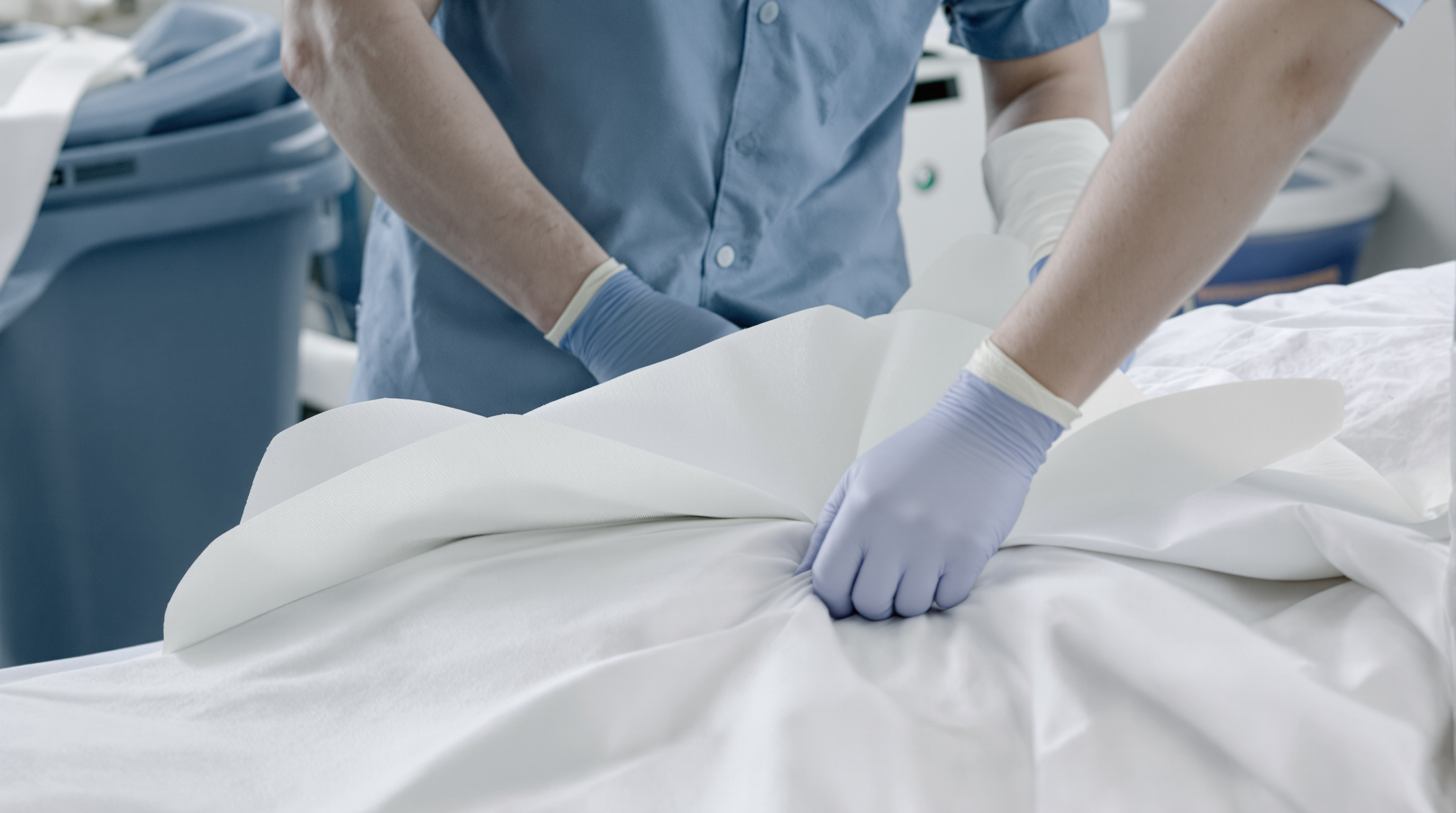
The Physics Behind Patient Transfers
Anyone who has worked in a hospital setting knows that moving a patient from a bed to a stretcher—or repositioning someone who has slid down in bed—is not a simple task. The fundamental challenge comes down to friction. When a patient’s body rests on a standard cotton draw sheet, the coefficient of friction between the fabric and the mattress is substantial. Overcoming that resistance requires force, and that force has to come from somewhere. Typically, it comes from the caregivers doing the lifting and pulling.
Folii pro transfertu patientium paucum frictionem habentes physicam operis penitus mutant. Introducendo stratum materiae cuius coefficientis frictionis valde minor est—saepe per nylon aut polyester cum silicio obductum—haec folia patientem ut glisset, non trahatur, permittunt. Differentia non subtilis est. Folium trahens normale forte exiget ut curans magnam vim trahendi exerat ut motus initietur. Per folium transfertus paucum frictionem habens, idem motus notabiliter minore conatu perfici potest. Haec diminutio necessariae viris est causa principalis cur hospitales a methodis tradicionalibus discedunt et has solutiones ingeniosas adoptant.
Quid data de labore curantis dicunt
Preferentia pro laminis ad transfertendum quae friccionem minuunt non est tantummodo narratio. Est enim vera investigatio quae confirmat quae infermarii et technici iam per annos dicunt. Studium a NIOSH editum valuit instrumenta commercialiter disponibilia ad transferendum patientes quae friccionem minuunt, et invenit quod instrumenta cum materiis quae friccionem minuunt manuum vim, flexionem humeri, momentum humeri, et activitatem musculorum in extremitatibus superioribus et dorso inferiori notabiliter minuerunt . Differentiae erant statisticam significantiam habentes in multis mensuris biomechanicis.
Aliud studium quod technologias ad transferendum patientes lateraliter examinavit concluserat quod efficacissima instrumenta tres elementa coniungebant: fasciculos trahendos extendibiles, materiam quae friccionem minuit, et manubria optime locata. Haec non sunt emendationes parvae. Cum curatores per singulum turnum decenas patientum transferunt, etiam modica diminutio vis per singulum transferendum addit ad magnam diminutionem stressis physici cumulati.
Controlus infectionis et electio materiae
The choice of material matters for more than just friction performance. Hospitals are increasingly prioritizing infection control in every piece of equipment they handle. Low-friction transfer sheets are available in both reusable and disposable variants. reusable sheets can be laundered and used multiple times, which makes sense for many general ward applications. Disposable sheets, on the other hand, are designed for single-patient use and are particularly valuable in departments with high patient turnover or elevated infection risk. .
The material itself also plays a role in patient safety. Low-friction fabrics are engineered to minimize shear forces and skin friction during repositioning. This is not a minor detail. Shear forces—the sliding motion between the patient's skin and the support surface—are a known contributor to pressure ulcer development. By reducing friction at the skin level, these sheets serve a dual purpose: they make transfers easier for staff and safer for patients.
A Real-World Scenario
Consider a busy medical-surgical unit in a mid-sized community hospital. The unit has 28 beds and averages around 40 patient transfers per day between beds, stretchers, and procedure tables. Before switching to low-friction transfer sheets, the unit relied on standard cotton draw sheets. Nursing staff consistently reported lower back fatigue by mid-shift, and the unit averaged a handful of musculoskeletal injury reports each year. After trialing low-friction sheets for 90 days, the unit director noted a marked decrease in staff complaints about physical strain. More importantly, the number of incidents requiring workers' compensation involvement dropped. The sheets became standard equipment across the unit within six months.
The lesson here is straightforward: the preference for low-friction materials is not driven by marketing or trend-following. It is driven by measurable outcomes in caregiver well-being and operational efficiency.
Beyond the Clinical Floor
Hospitals sunt organisationes complexae, et decisiones de emptione raro a solis staff clinicis fiunt. Teamus procurandi spectant ad pretium totale possessionis, non solum ad pretium initiale. Tabulae transferentiae ad modum parvae frictionis fortasse carius constent quam tabulae trahentes traditionales, sed diutius durant, minuunt impensas pro laesionibus staff, et possunt patientum fluxum meliorare. Cum translatio minus temporis consumit et pauciores membros staff requirit, hospitalia tempus laboris salvant, quod ad alias activitates curae patientium reverteri potest.
Est etiam res retentionis staff. Mutatio infermierorum onerosa est, et una ex principali causis huius mutationis est fatigatio—quae saepe acceleratur per constantem pressionem physicam. Hospitalia quae in instrumenta investiunt quae exigentias physicas staff minuunt, declarant quomodo suum staff aestiment. Hoc genus investitionis fructus reddit in recruitmente et retentione.
Considerationes Practicae pro Implantatione
Switching to low-friction transfer sheets requires more than just placing an order. Staff need to be trained on proper usage techniques. The sheets need to be stored appropriately and rotated through laundry or disposal cycles. Not every low-friction sheet performs identically; some are better suited for bariatric patients, others for standard adult sizes, and still others for pediatric applications. Hospitals that take the time to match the product to the application see the best results.
Another factor to consider is compatibility with existing equipment. Some low-friction sheets work better with certain types of mattress surfaces. Hospitals should test products in their actual environment before committing to a large-scale purchase. A sheet that performs beautifully in a controlled testing lab might behave differently on a specific hospital bed model with a particular mattress cover.
Conclusio Ultima
Folii pro transfertu patientium paucum frictionem habentes suum locum in modernis catenis suppeditationis hospitalium meruerunt per praestationem demonstratam. Onus physicum super curatores minuunt, periculum laesionis cutis pro patientibus diminuunt, et ad fluxus operativos efficaciores conferunt. Investigatio confirmat quod personale in prima linea iam scit: haec instrumenta bene funguntur. Cum hospitales pressionem subeant ut indicatores securitatis meliores fiant et impensae regantur, adoptio materialium pro transfertu paucum frictionem habentium probabile est augeri.
Fabricantes qui his productis specialiter inserviunt—velut Dongguan Xiangwo Industry—suas facultates aedificaverunt circa constantiam qualitatis materiae et fidem suppeditationis, quod magni momenti est cum hospitales necesse est normalizare per plures unitates et sedes.