 EN
EN


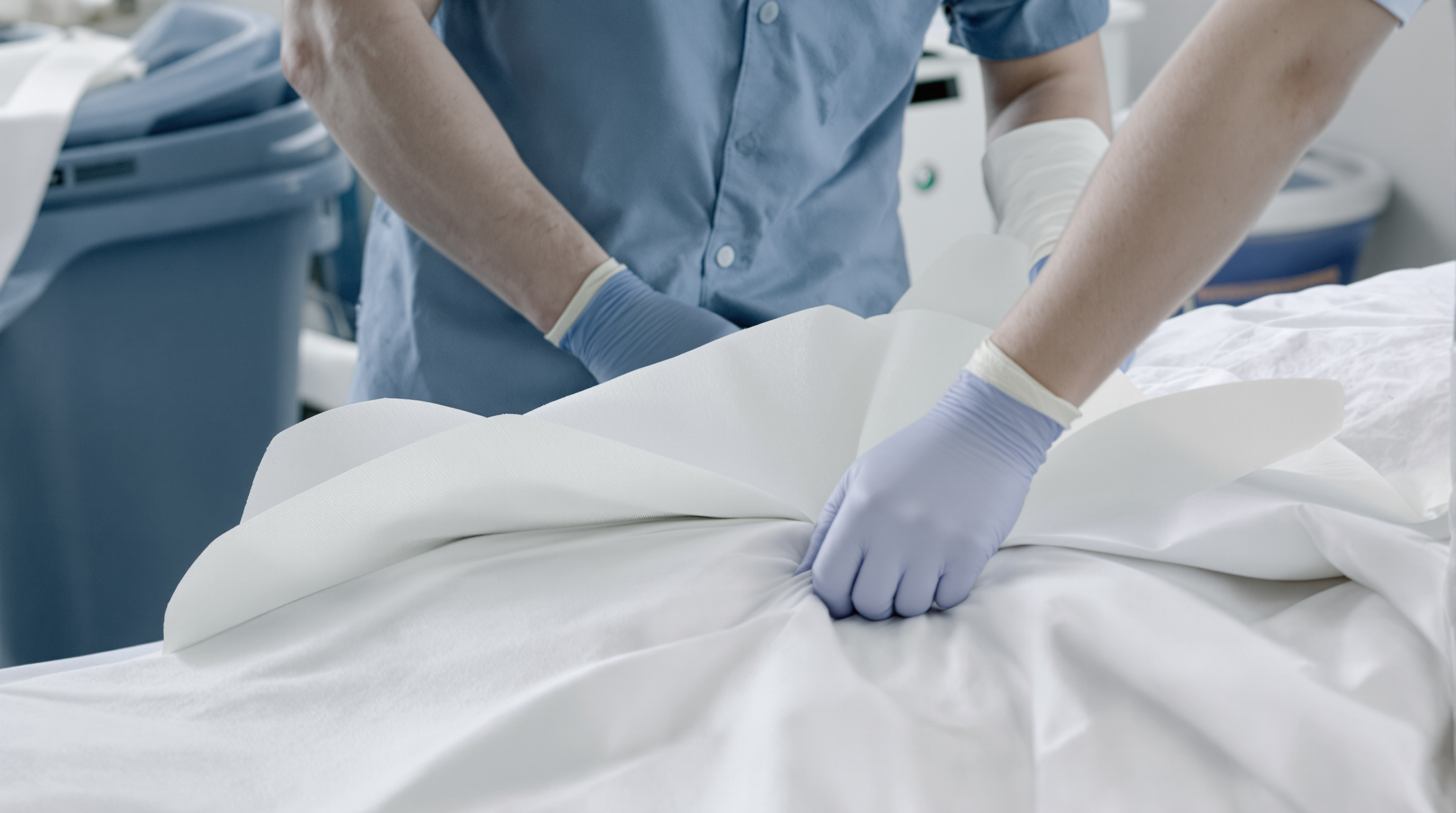
The Physics Behind Patient Transfers
Anyone who has worked in a hospital setting knows that moving a patient from a bed to a stretcher—or repositioning someone who has slid down in bed—is not a simple task. The fundamental challenge comes down to friction. When a patient’s body rests on a standard cotton draw sheet, the coefficient of friction between the fabric and the mattress is substantial. Overcoming that resistance requires force, and that force has to come from somewhere. Typically, it comes from the caregivers doing the lifting and pulling.
Low-friction patient transfer sheets change the physics of the task entirely. By introducing a material layer with a dramatically lower coefficient of friction—often using silicone-coated nylon or polyester—these sheets allow the patient to slide rather than drag. The difference is not subtle. A standard draw sheet might require a caregiver to exert a significant amount of pulling force just to initiate movement. With a low-friction transfer sheet, that same movement can be accomplished with noticeably less effort. That reduction in required force is the primary reason hospitals are moving away from traditional methods and adopting these engineered solutions.
What the Data Says About Caregiver Strain
The preference for low-friction transfer sheets is not just anecdotal. There is actual research backing up what nurses and techs have been saying for years. A study published by NIOSH evaluated commercially available friction-reducing patient-transfer devices and found that devices with low-friction materials significantly reduced hand force, shoulder flexion, shoulder moment, and muscle activity in the upper extremities and low back. The differences were statistically significant across multiple biomechanical measures.
Another study that examined lateral patient transfer technologies concluded that the most effective devices combined three elements: extendable pull straps, low-friction material, and optimally located handles. These aren't marginal improvements. When caregivers perform dozens of patient transfers per shift, even a modest reduction in force per transfer adds up to a substantial decrease in cumulative physical stress.
Infection Control and Material Selection
Material choice matters for more than just friction performance. Hospitals are increasingly prioritizing infection control in every piece of equipment they touch. Low-friction transfer sheets come in both reusable and disposable variants. Reusable sheets can be laundered and used multiple times, which makes sense for many general ward applications. Disposable sheets, on the other hand, are designed for single-patient use and are particularly valuable in departments with high patient turnover or elevated infection risk.
The material itself also plays a role in patient safety. Low-friction fabrics are engineered to minimize shear forces and skin friction during repositioning. This is not a minor detail. Shear forces—the sliding motion between the patient's skin and the support surface—are a known contributor to pressure ulcer development. By reducing friction at the skin level, these sheets serve a dual purpose: they make transfers easier for staff and safer for patients.
A Real-World Scenario
Consider a busy medical-surgical unit in a mid-sized community hospital. The unit has 28 beds and averages around 40 patient transfers per day between beds, stretchers, and procedure tables. Before switching to low-friction transfer sheets, the unit relied on standard cotton draw sheets. Nursing staff consistently reported lower back fatigue by mid-shift, and the unit averaged a handful of musculoskeletal injury reports each year. After trialing low-friction sheets for 90 days, the unit director noted a marked decrease in staff complaints about physical strain. More importantly, the number of incidents requiring workers' compensation involvement dropped. The sheets became standard equipment across the unit within six months.
The lesson here is straightforward: the preference for low-friction materials is not driven by marketing or trend-following. It is driven by measurable outcomes in caregiver well-being and operational efficiency.
Beyond the Clinical Floor
Hospitals are complex organizations, and purchasing decisions are rarely made by clinical staff alone. Procurement teams look at total cost of ownership, not just upfront price. Low-friction transfer sheets may cost more than traditional draw sheets, but they last longer, reduce staff injury-related costs, and can improve patient throughput. When a transfer takes less time and requires fewer staff members, the hospital saves labor hours that can be redirected to other patient care activities.
There is also the matter of staff retention. Nursing turnover is expensive, and one of the leading contributors to turnover is burnout—often accelerated by chronic physical strain. Hospitals that invest in equipment that reduces physical demands on staff are making a statement about how they value their workforce. That kind of investment pays dividends in recruitment and retention.
Practical Considerations for Implementation
Switching to low-friction transfer sheets requires more than just placing an order. Staff need to be trained on proper usage techniques. The sheets need to be stored appropriately and rotated through laundry or disposal cycles. Not every low-friction sheet performs identically; some are better suited for bariatric patients, others for standard adult sizes, and still others for pediatric applications. Hospitals that take the time to match the product to the application see the best results.
Another factor to consider is compatibility with existing equipment. Some low-friction sheets work better with certain types of mattress surfaces. Hospitals should test products in their actual environment before committing to a large-scale purchase. A sheet that performs beautifully in a controlled testing lab might behave differently on a specific hospital bed model with a particular mattress cover.
The Bottom Line
Low-friction patient transfer sheets have earned their place in modern hospital supply chains through demonstrated performance. They reduce the physical burden on caregivers, decrease the risk of skin injury for patients, and contribute to more efficient workflows. The research supports what frontline staff already know: these devices work. As hospitals continue to face pressure to improve safety metrics and control costs, the adoption of low-friction transfer materials is likely to accelerate.
Manufacturers that specialize in these products—like Dongguan Xiangwo Industry—have built their capabilities around consistent material quality and reliable supply, which matters when hospitals need to standardize across multiple units and facilities.