 EN
EN


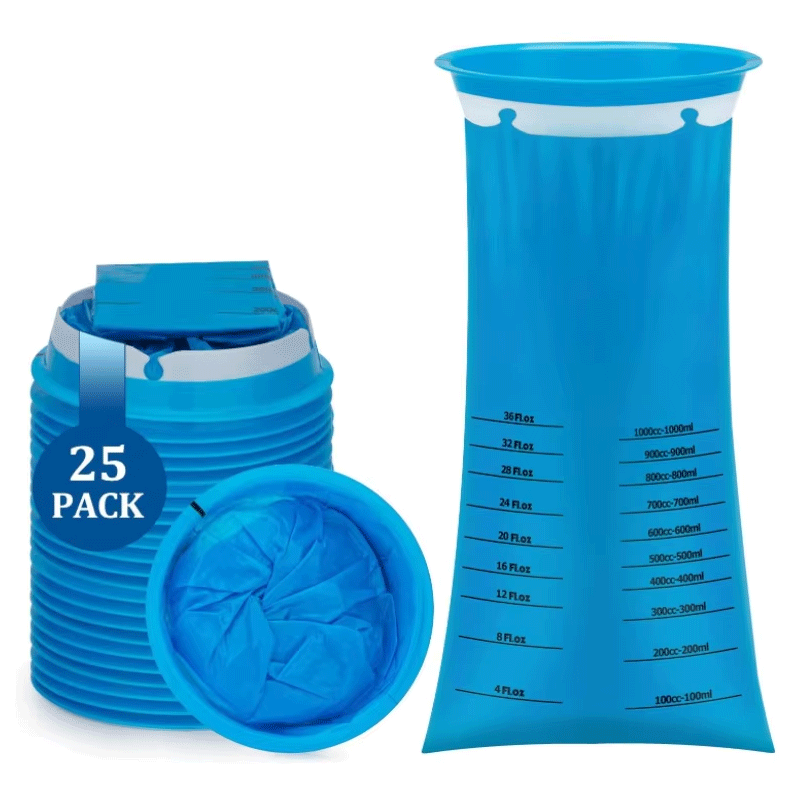
The Regulatory Landscape for Medical Waste Containment
In the United States, medical devices are classified by the FDA into three categories based on the level of control necessary to assure their safety and effectiveness. Class I devices present minimal potential for harm, Class II devices require special controls, and Class III devices undergo the most rigorous premarket approval. Emesis bags—classified under the product code for gastrointestinal tubes and accessories—fall into a category that demands compliance with specific manufacturing and labeling standards to ensure they perform as intended.
The FDA does not simply rubber-stamp every bag that comes through the door. Certification involves documentation of materials, manufacturing processes, and quality control systems. For a vomit bag to carry FDA clearance, the manufacturer must demonstrate that the device is safe for its intended use, that the materials are non-toxic and non-reactive, and that the bag can reliably contain biological fluids without leakage under normal use conditions. This is not a trivial bar to clear. The process requires significant investment in testing, documentation, and ongoing quality surveillance.
What FDA Certification Actually Means for End-Users
For a hospital purchasing agent or a clinic manager, FDA certification on a vomit bag is not just a marketing point—it is a shorthand for a comprehensive quality system. FDA-registered facilities are subject to unannounced inspections. Their manufacturing processes must comply with Current Good Manufacturing Practice (CGMP) regulations. Their labeling must be accurate and not misleading. When something goes wrong, they are required to report it through the FDA's MedWatch system.
This regulatory framework creates accountability that does not exist for non-certified products. A vomit bag purchased from an unregistered supplier may look identical, may even perform similarly in a quick visual inspection, but the underlying quality systems are not the same. The certified product has been produced in a facility that has opened its doors to FDA inspectors, documented its processes, and committed to a culture of quality assurance. The non-certified product has not.
The difference becomes apparent not in the first hundred bags, but in the ten-thousandth. Consistency across large production runs is what separates certified manufacturers from those who cut corners. For a busy emergency department that goes through hundreds of emesis bags per week, that consistency directly translates to fewer failures and fewer unexpected incidents.
The Financial Case for Certified Products: A Comparative Look
The initial purchase price of a certified vomit bag is typically higher than that of a non-certified alternative. But focusing solely on unit cost misses the broader financial picture. The table below illustrates the total cost of ownership across key operational metrics.
| Cost Factor | FDA-Certified Vomit Bags | Non-Certified Alternatives |
|---|---|---|
| Unit purchase price | Higher | Lower |
| Leakage failure rate (per 1,000 units) | < 0.5% | 2-4% |
| Additional cleaning cost per failure | $0 | $150-$300 |
| Staff time lost to cleanup per failure | 0 minutes | 15-30 minutes |
| Patient care delays per failure | 0 | 20-45 minutes |
| Regulatory compliance risk | Minimal | Potential citation risk |
When these numbers are projected across a medium-sized hospital that uses 500 emesis bags per month, the annual cost of leakage failures from non-certified products can easily exceed $10,000 in direct cleaning costs alone—not counting staff time, patient delays, or the intangible cost of infection risk. The certified product, with its lower failure rate, often ends up being the more economical choice over a full year of operation.
A Teaching Hospital's Experience: Quality That Showed Up in the Data
A large academic medical center in the Northeast conducted a year-long evaluation of its emesis bag procurement after noticing an uptick in leak-related incident reports. The hospital had switched to a lower-cost supplier six months prior to save approximately $0.08 per unit. Over the six-month period with the new supplier, the hospital documented 23 leakage incidents that required room closures and terminal cleaning. In the six months prior, with their previous FDA-certified supplier, they had documented only three.
The cost of those 23 incidents—including cleaning supplies, environmental services overtime, and lost bed capacity—was calculated at approximately $28,000. The total savings from the cheaper bags over the same period was less than $2,000. The hospital switched back to the certified supplier and has not repeated the experiment. The purchasing director later noted that the experience reinforced a lesson she already knew: in medical consumables, the cheapest option is almost never the least expensive over the long term.
Beyond Leakage: Infection Control and Cross-Contamination Risks
The primary function of an emesis bag is containment, but the stakes go beyond keeping the floor clean. Vomit contains pathogens—norovirus, rotavirus, bacterial gastroenteritis agents—that can survive on surfaces for extended periods and are highly infectious. A single leakage event in a patient room can seed the environment with enough viral particles to infect multiple subsequent patients and staff.
FDA-certified vomit bags are designed with leak-proof seals and materials that have been tested for their ability to withstand the contents they are meant to contain. The three-layer construction found in many certified products—an absorbent inner layer, a super-absorbent polymer core, and a leak-proof outer layer—provides a margin of safety that single-layer or poorly constructed bags cannot match. This is not about premium features; it is about basic functionality that has been validated through testing.
The infection control implications extend to the disposal process as well. A bag that fails during transport from the patient room to the soiled utility room releases pathogens into the corridor. A bag that fails in the waste container contaminates the handling area. Each failure creates a cascade of cleaning, disinfecting, and documentation that consumes staff time and resources that could have been spent on patient care.
When Certification Is Not Enough: The Limits of Regulatory Approval
FDA certification is a rigorous process, but it is not a guarantee of perfect performance in every scenario. The certification applies to the product as manufactured and tested under standard conditions. Real-world use involves variables that cannot be fully replicated in a laboratory—patient positioning, duration of use, ambient temperature, and the specific characteristics of the contents being contained.
Healthcare facilities should not assume that certification alone eliminates the need for proper training and protocol adherence. A certified bag used incorrectly can still leak. The certification ensures that when used correctly, the bag will perform as expected. It does not compensate for operator error.
Similarly, certification does not mean that every bag from every production run is identical. Manufacturers with robust quality systems maintain tight control over their processes, but variability is an inherent part of manufacturing. The value of certification lies in the system that produces the bag, not in any individual unit. Facilities should continue to monitor performance and report any issues to the manufacturer and, if necessary, to the FDA.
Why Certified Supply Chains Matter in Healthcare Procurement
Healthcare procurement is not just about buying products—it is about managing risk. An FDA-certified emesis bag comes with a documented supply chain, audited manufacturing processes, and a regulatory framework that provides recourse if something goes wrong. Non-certified products operate in a gray area where accountability is unclear and quality is unverified.
For facilities that serve vulnerable populations—immunocompromised patients, the elderly, pediatric patients—the margin for error is particularly small. An infection acquired in a healthcare setting can be life-threatening. The incremental cost of certified products is trivial compared to the cost of a single hospital-acquired infection, which can run into tens of thousands of dollars.
Manufacturers like Xiangwo have built their operations around FDA, CE, and ISO 13485 certification frameworks, understanding that healthcare providers need more than just a bag—they need a reliable, predictable, and accountable product. With a 15,000-square-meter manufacturing facility and quality systems that support global distribution to over 60 countries, the company has demonstrated that certification is not just a one-time achievement but an ongoing commitment to quality that benefits everyone in the care chain.
Table of Contents
- The Regulatory Landscape for Medical Waste Containment
- What FDA Certification Actually Means for End-Users
- The Financial Case for Certified Products: A Comparative Look
- A Teaching Hospital's Experience: Quality That Showed Up in the Data
- Beyond Leakage: Infection Control and Cross-Contamination Risks
- When Certification Is Not Enough: The Limits of Regulatory Approval
- Why Certified Supply Chains Matter in Healthcare Procurement