 EN
EN


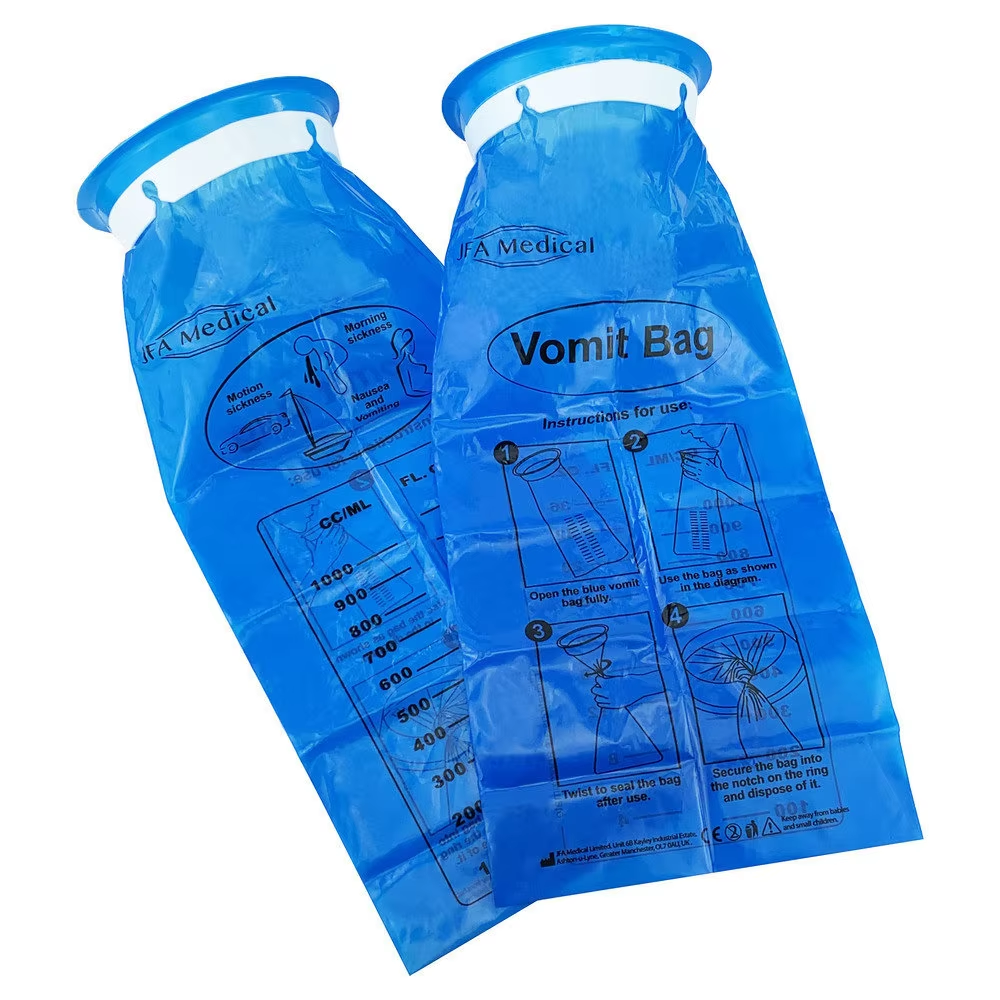
Ergonomic Urine Bag Designs for Mobility and Skin Health
Soft-straps, seamless edges, and anatomical contours to minimize pressure sores and irritation
Today's urine collection bags are designed with skin health in mind. The soft elastic straps spread out the weight so nothing feels tight or uncomfortable, and those seamless edges mean no rough spots rubbing against sensitive areas. Many newer models have shapes that actually match how our bodies curve naturally. According to studies done by wound care specialists, these designs cut down on pressure points by about 40% compared to older versions. For people who can't move around much or are recovering from surgery, this makes a real difference in preventing skin damage over time. Plus, the breathable materials used help keep things drier under there, which is important because damp skin tends to break down faster and leads to rashes if not managed properly.
Low-profile leg bag configurations optimized for wheelchairs, beds, and active lifestyles (e.g., Bag-Ins® and Legg-Ins®)
Low profile urine bags that stay out of sight work really well in everyday situations thanks to how they're designed. For people who use wheelchairs, there are special models with flat backs so they don't stick out against the chair backrests. Those meant for bed use come with clips that hold them securely in place at night, stopping them from moving around when someone turns over. When it comes to active wear, products like Bag-Ins have super thin materials that bend with the legs as people walk around. The Legg-Ins version adds fabric sleeves that wick away moisture, keeping things comfortable even when temperatures change. All these different options help maintain normal walking patterns, make sure clothes fit properly, and keep individuals independent in their daily routines whether they're working, doing chores around home, or getting some exercise.
Smart Functional Features That Reduce UTI Risk and Support Self-Management
Clinically validated anti-reflux valves and unidirectional flow systems lowering backflow-related infection risk
Anti-reflux valves and one-way flow systems have become standard features in modern urine collection bags designed to lower the chances of getting a urinary tract infection. The basic idea is simple enough these devices stop dirty urine from flowing back up into the catheter or bladder, which happens to be one of the main causes behind hospital acquired UTIs. According to CDC data from their antibiotic stewardship program released in 2023, around 40 percent of all infections picked up during hospital stays fall into this category. When these systems work properly, they cut down on bacteria traveling backward through the system by about three quarters when compared with older open drain models. What makes them so effective is how they close off automatically when pressure builds up but still let urine pass through smoothly in the right direction. This dual functionality means safer operation while also making the whole process easier for medical staff to manage day to day.
One-handed drainage spouts and twist-lock mechanisms enhancing user independence and dignity
One handed drainage spouts with their easy to operate levers and twist lock seals really help people who struggle with hand movement issues, arthritis problems, or other neurological conditions. No more fighting with stubborn caps or clamps when transferring liquids, using the bathroom, or adjusting position in wheelchairs. The locking system stops those frustrating spills that happen so often with regular bags about 30% of the time according to reports. Plus these spouts have special coatings on parts people touch most which helps keep germs from growing where they shouldn't. For many individuals, this kind of design means less reliance on caregivers throughout everyday tasks and maintains a sense of independence and respect in their daily lives.
Advanced Materials and Hygiene Engineering in Modern Urine Bags
Latex-free TPE and medical-grade silicone blends: balancing flexibility, clarity, durability, and biocompatibility
The latest generation of urine collection bags has moved away from traditional materials toward latex-free thermoplastic elastomers (TPE) combined with medical grade silicones. These new material combinations were specifically designed to work better in real clinical settings. The hypoallergenic nature of these materials means they stay flexible enough so patients don't get irritated when moving around. They also keep clear so healthcare staff can easily monitor fluid levels without guessing. Plus, these bags are built to last longer without tearing out of nowhere. According to recent research published in the Journal of Urological Research (Vol. 42, Issue 5, 2023), these modern bags cut down on allergic reactions by about three quarters compared to older PVC versions. What's more, the way these surfaces interact with bacteria makes it harder for germs to stick around. This property is particularly important for infection control teams who need equipment that stands up to rigorous cleaning procedures while still protecting patient skin integrity over extended care periods.
Odor Control and Discreet Daily Integration
Today's urine bags come with advanced odor control systems that help maintain both dignity and mental health for users. These products typically feature medical grade carbon filters which tackle ammonia smells right down to their chemical makeup. They also include special antimicrobial ingredients that stop bacteria from growing - since bacteria actually causes most of those lingering bad smells. The numbers back this up too. According to a survey by the National Association for Continence from 2022, around two thirds of people worry about odors so much it keeps them away from social events. That makes these odor fighting features really important for real world impact, not just looks on paper. And manufacturers have managed to build all these functions into the design without making anything obvious or noticeable.
- Low-profile silhouettes that lie flat under clothing
- Matte-finish surfaces minimizing light reflection
- Silent, tactile closure mechanisms enabling private drainage
Vapor-proof, multi-layer sealing at ports and valves prevents micro-leaks, ensuring consistent odor containment. This comprehensive approach enables confident engagement in work, travel, and community life—without compromising privacy or self-assurance.
FAQ
What are ergonomic urine bags?
Ergonomic urine bags are specially designed for comfort and safety, featuring soft straps, seamless edges, and anatomical contours to reduce pressure sores and skin irritation.
How do modern urine bags help reduce UTI risks?
Modern urine bags incorporate anti-reflux valves and unidirectional flow systems to prevent contaminated urine backflow, significantly lowering the risk of urinary tract infections.
What materials are used in advanced urine bag designs?
Advanced designs use latex-free thermoplastic elastomers (TPE) and medical-grade silicone blends, offering flexibility, durability, and biocompatibility, reducing allergic reactions and enhancing comfort.
How do urine bags manage odor control?
Urine bags manage odor through medical-grade carbon filters and antimicrobial ingredients, effectively minimizing ammonia smells and bacterial growth.