 EN
EN


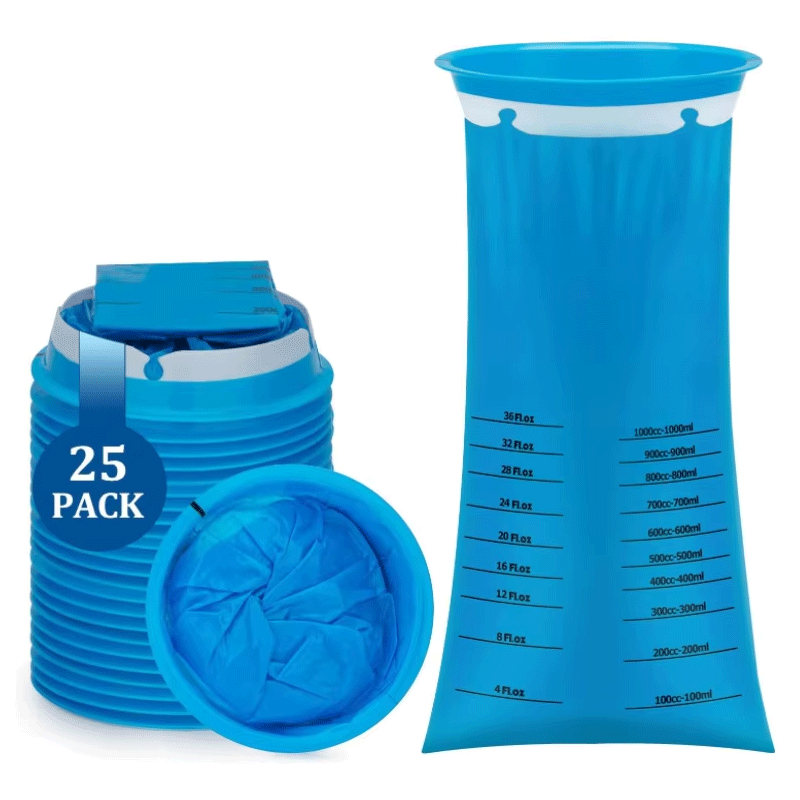
Why Sick Bags Are a Critical First Line of Defense Against Pathogen Spread
Breaking transmission chains: How sick bags contain respiratory and gastrointestinal pathogens
Sick bags work by keeping those gross bodily fluids contained right where they come from, which stops germs from spreading through the air or by touch. Vomiting creates tiny droplets that carry nasty bugs like norovirus, which causes around 685 million stomach issues worldwide each year according to the CDC report from 2022, plus all sorts of flu viruses too. Sealed bags cut down on mess spread by about 95% when compared with just using regular containers. When someone has gut problems, getting things cleaned up fast stops germs from jumping from one person to another via splashes and spills. This is really important stuff for families dealing with sickness at home or in places like nursing homes where people live close together and infections tend to run rampant.
CDC and WHO guidance on immediate containment—why timing and barrier integrity matter
Public health organizations insist that all vomit bags must be made from materials that won't let anything seep through and need secure closures to keep everything contained. According to the latest CDC guidelines from 2023, it's really important to seal these bags within just 20 seconds after someone uses them. This quick action can cut down the chance of spreading germs between people by around 70%. The World Health Organization has even stricter requirements, demanding that these bags withstand pressure tests at 1.5 kilopascals without tearing apart. When people don't contain bodily fluids properly, dangerous viruses like norovirus stick around on surfaces for weeks. We're talking about something that can live on countertops for up to two weeks! This persistence leads to second wave infections throughout buildings. Studies show that when done right, proper sick bags work about 40% better than whatever random containers people might grab instead during emergencies in shared areas like offices or schools.
Proper Sick Bag Use: Minimizing Cross-Contamination at Every Step
High-risk handling moments: From retrieval to sealing—and how to eliminate touchpoint exposure
Critical exposure points occur during three phases:
- Retrieval: Use gloves when accessing stored sick bags to prevent surface transfer
- During use: Hold bags by exterior flaps only; avoid contact with contents
- Sealing: Fold contaminated openings inward before adhesive closure
Immediate hand hygiene after each phase reduces pathogen transmission by 62%, according to public health guidelines.
Real-world impact: Standardized sick bag protocols in long-term care facilities reduce outbreak duration by 40%
Facilities implementing structured handling protocols—including designated disposal zones and staff training—cut norovirus outbreak durations from 14 to 8.4 days. This containment efficiency stems directly from minimizing touchpoint contamination during critical moments.
Safe Disposal and Waste Classification for Sick Bags
Home vs. clinical settings: When a sick bag becomes regulated medical waste
How to dispose of something really depends where we are talking about. At home, if someone has those unused or still sealed bags with just dry vomit inside, they generally can toss them in the regular garbage bin. Things change when actual bodily fluids get involved though. Once vomit or diarrhea touches the bag, this stuff turns into what hospitals call biohazard waste. Medical places have to stick to very specific rules for handling these contaminated bags. They need to put them in special red or yellow containers with those universal hazard symbols first, then either burn them or run through an autoclave machine. Both OSHA and CDC consider any waste exposed to bodily fluids as possibly carrying infections. Getting caught breaking these rules could mean getting hit with fines over $75k each time according to recent OSHA guidelines from 2023. People taking care of others at home should check what their local sanitation department says about this stuff. But most experts recommend double bagging everything in good quality plastic before throwing away to keep things safer all around.
Choosing the Right Sick Bag: Material, Design, and Practicality
Single-use vs. reusable sick bags: Efficacy, compliance, and environmental trade-offs
Selecting appropriate sick bags requires balancing infection control efficacy with environmental impact. Single-use plastic options offer critical advantages:
- Highest contamination containment: Impermeable barriers eliminate pathogen retention and cross-contamination risks
- Best adherence to protocols: Prevents accidental reuse and simplifies disposal
- 100% patient-contact certainty: Essential in high-risk settings like immunocompromised care
Reusable cloth alternatives present sustainability benefits but introduce significant challenges:
- Strict sterilization requirements: Must withstand ¥71°C (160°F) washes, per CDC disinfection standards
- Material durability: Frequent laundering degrades moisture barriers within 10–15 cycles (Textile Institute 2023)
- Staff compliance gaps: 30% of healthcare workers report inconsistent cleaning when rushed (Johns Hopkins Medicine 2022)
While single-use models generate more waste, studies show reusable implementation failure rates exceed 40% in long-term care facilities—where lapses carry outbreak risks costing an average of $740,000 per incident (Ponemon Institute 2023). Proper sealing mechanisms, leak-resistant materials, and ergonomic designs remain non-negotiable regardless of type.
FAQ
What types of pathogens can sick bags help contain?
Sick bags are effective in containing respiratory and gastrointestinal pathogens such as norovirus and flu viruses.
Why is it important to seal sick bags quickly?
Sealing sick bags within 20 seconds can significantly reduce pathogen transmission between people, lowering the risk by about 70%.
How should sick bags be disposed of in home and clinical settings?
At home, unused bags with dry vomit can be disposed of in regular trash, while bags with bodily fluids need special disposal as biohazard waste in clinical settings.
Should I choose single-use or reusable sick bags?
Single-use bags offer superior pathogen containment but generate more waste, while reusable bags have sustainability benefits but present sterilization challenges.