 EN
EN


Why Barf Bags Are Mission-Critical Gear for Adventure Tourism Operators
Around 30 percent of people who go on adventure trips experience motion sickness when doing intense stuff like bouncing around in off-road vehicles or riding boats through rough waters. When there aren't enough barf bags handy, this causes all sorts of problems for tour operators. Vehicles get contaminated with messes that need thorough cleaning later on, which eats up time and money. Guests often leave bad reviews after getting sick, especially if they feel embarrassed about it. One person throwing up can really throw off the whole group vibe, sometimes leading to last minute changes in plans or even having to cancel parts of the trip altogether. Safety becomes an issue too when folks are distracted by someone being ill. Putting those heavy duty, leak proof bags behind each seat makes sense though. It keeps things clean, saves face for everyone involved, and lets tours keep going as scheduled instead of turning what's basically a bodily function into some huge problem nobody saw coming.
Barf Bag Design Essentials: Leak-Proof, Odor-Controlled, and Travel-Optimized
Material & Functionality: Multi-Layer Liners, Gel Absorbents, and Compact Folding Mechanics
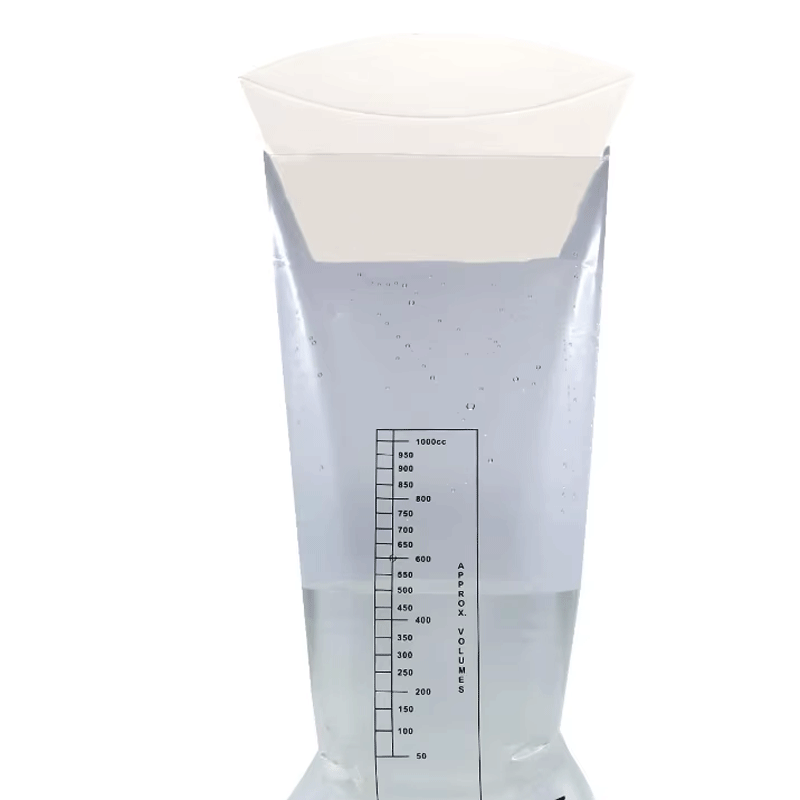
When it comes to adventure tourism, reliable barf bags are absolutely essential. The best ones have multi layer liners that stand up to rough handling on the outside while keeping everything contained inside thanks to their absorbent core material. Some newer models use gel tech that turns liquid into a solid almost immediately, which cuts down on spills way more than older styles did according to what most people report. They also fold down small enough to fit in airplane seat pockets or regular backpack compartments without taking up much space at all. All these little details matter when someone needs quick access during those wild moments on rapids or bumpy mountain trails where motion sickness can strike unexpectedly.
Hygiene & Compliance: Single-Use Standards, Infection Control, and Sustainable Alternatives
When it comes to infection control, single use barf bags really can't be beat. These disposable units prevent cross contamination in places where multiple people might need them at once, something that aligns perfectly with international health guidelines from organizations like the World Health Organization. The good news is modern versions come with sticky seals after use that trap both smells and germs effectively. There are also eco friendly options available these days made from plants instead of plastic. While these biodegradable alternatives break down naturally within about a year, they still need proper testing to ensure they don't leak compared to regular plastic ones. Facility managers have to walk a fine line between wanting greener solutions and maintaining top notch safety standards. That's why many facilities stick with products that carry certifications such as the ASTM F2760-22 standard which specifies requirements for medical grade containment materials.
Strategic Use of Barf Bags: Discretion, Etiquette, and Group Experience Preservation
Getting barf bags out there right works wonders for both stopping people from feeling sick and keeping everyone else comfortable on those adventure tours. The trick is putting them where they won't draw eyes - stuff them into seat pockets, tuck them behind armrests, maybe even hand one over silently when things get bumpy or someone makes that sudden turn that catches everyone off guard. Nobody wants to be seen grabbing a plastic bag mid-air, and honestly nobody else wants to watch it happen either because it just starts this whole cycle of secondhand queasiness going around. Most good guides know this already, but proper training really helps. They learn how to pass out these little lifesavers without saying a word, no announcements needed. Just a quick handoff while pretending nothing happened keeps folks from getting even more anxious about their stomachs churning.
Passenger etiquette includes:
- Containing sounds by covering the mouth with the bag
- Sealing used bags immediately to trap odors
- Disposing in designated bio-waste bins
Keeping everyone's spirits up while avoiding disruptions to the overall experience is really important for group trips. Research from the Journal of Travel Medicine in 2023 found that when something goes wrong publicly, other travelers tend to feel about 22% less safe afterward. The way operators handle things makes all the difference. When they establish clear guidelines for how items should be stored and train staff properly, what was once an awkward situation becomes just part of the background noise. People don't even notice anymore because it's handled so smoothly, allowing everyone to stay focused on enjoying their adventures without unnecessary distractions.
Barf Bags as Part of a Holistic Motion Sickness Management Protocol
Barf bags serve as the final safety net within a multi-tiered approach to motion sickness mitigation for adventure tourism operators. While essential for containing incidents, their effectiveness multiplies when integrated with proactive strategies that minimize nausea triggers before they escalate.
Preventive Integration: Timing with Medication, Acupressure, and Pre-Departure Nutrition
When travelers have easy access to barf bags plus take steps to prevent sickness in the first place, they end up needing those bags far less often. Taking anti-nausea meds around half an hour before leaving works best since these drugs reach their strongest effect just when motion gets intense. Many people also find relief wearing those little acupressure bands on their wrists. The P6 point theory sounds fancy, but studies actually show these bands cut down severe nausea cases by about half in controlled tests. What travelers eat matters too. Skip greasy foods and acidic stuff before hitting the road, go for lighter meals with complex carbohydrates instead. This whole approach changes how we think about barf bags. They're not just emergency items anymore but part of a bigger picture for keeping passengers comfortable throughout journeys, following what doctors recommend based on actual research rather than guesswork.
FAQ
Why are barf bags important for adventure tourism?
Barf bags help manage motion sickness and prevent messes in vehicles, ensuring a clean environment and uninterrupted tours.
What makes a good barf bag?
Quality barf bags are leak-proof, odor-controlled, and easily accessible, featuring multi-layer liners and compact folding mechanics.
How do barf bags align with health guidelines?
Single-use barf bags prevent cross-contamination, adhering to international health standards, with options for eco-friendly alternatives available.
How can tour operators use barf bags discreetly?
Operators can place bags in unobtrusive places and train staff to distribute them quietly, enhancing the group experience by avoiding public disruptions.
What other strategies work alongside barf bags for motion sickness?
Preventive measures such as medication, acupressure, and appropriate nutrition play an essential role in minimizing the need for barf bags.
Table of Contents
- Why Barf Bags Are Mission-Critical Gear for Adventure Tourism Operators
- Barf Bag Design Essentials: Leak-Proof, Odor-Controlled, and Travel-Optimized
- Strategic Use of Barf Bags: Discretion, Etiquette, and Group Experience Preservation
- Barf Bags as Part of a Holistic Motion Sickness Management Protocol
- FAQ