 EN
EN


The Hidden Toll of Manual Patient Transfers
Patient transfers remain one of the most physically demanding tasks in healthcare settings. A survey of nearly 1,000 healthcare workers found that roughly 60% reported past work-related musculoskeletal disorders or pain. Among those affected, about one-third changed roles, and nearly 80% continued working while injured. These numbers point to a systemic issue—one that manual handling techniques and body-mechanics training alone have failed to resolve.
The biomechanical reality is straightforward: the NIOSH-recommended safe lifting limit for healthcare workers is approximately 35 pounds for vertical lifting tasks. Yet repositioning an average adult patient in bed can require forces far exceeding that threshold. When those forces are applied repeatedly—shift after shift, day after day—the cumulative toll on caregivers’ spines, shoulders, and joints becomes predictable.
What Makes a Transfer Sheet Different from Standard Linens
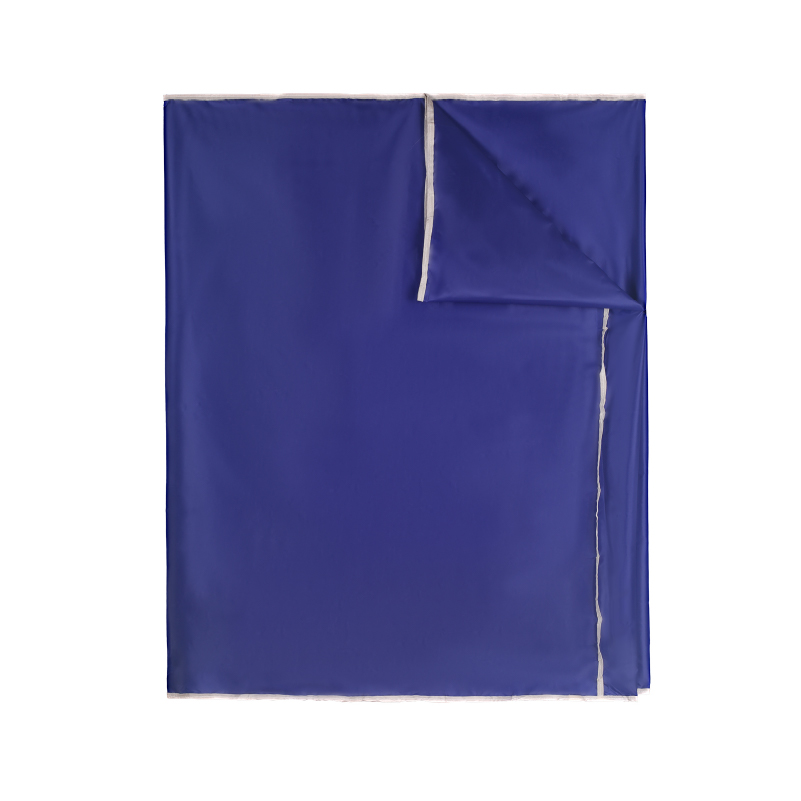
A patient transfer sheet, sometimes called a sliding sheet or friction-reducing sheet, is fundamentally different from a traditional cotton draw sheet. The key distinction lies in the material’s surface properties. These sheets are constructed with low-friction fabrics—often coated nylon or specialized polymer composites—that allow the patient to glide across the bed surface rather than being dragged across it.
A randomized controlled trial involving 124 postoperative surgical transfer events compared a novel transfer sheet against standard linens. The results showed that clinical staff reported significantly decreased physical exertion when using the transfer sheet. Transfer times were also substantially shorter in the experimental group. The low-friction design minimizes resistance during movement, which directly translates to less force required from the people doing the moving.
Biomechanical Benefits That Show Up in the Data
The physical advantages of using a transfer sheet are measurable. One study found that the peak force needed for boosting a patient was roughly 38% less when using a slide film compared to a regular sheet, and the impulse of force was about 40% less. Another investigation reported that erector spinae muscle activity was reduced during boosting and turning-away tasks when a slide sheet was used. Shoulder elevation and torso angle also decreased.
These aren’t marginal improvements. For a caregiver who performs dozens of repositioning tasks each shift, a 38% reduction in peak force can be the difference between finishing a shift without pain and developing chronic back problems over time. After three to six months of regular sliding sheet use, studies have documented significant decreases in neck and lower back pain, as well as reduced disability from musculoskeletal disorders.
Patient Safety: Not Just an Afterthought
Reducing caregiver injury is one side of the equation. The other side is patient safety—and this is where transfer sheets offer advantages that are often overlooked.
Traditional methods of moving patients often involve rolling, tugging, and pulling on limbs or clothing. These actions create shear forces against the patient’s skin, which can contribute to friction injuries and, over time, pressure ulcers. Low-friction transfer sheets reduce the shear forces transmitted to the patient’s skin during repositioning. The patient slides with the sheet rather than being dragged across the bed surface.
The clinical data also supports this. In the randomized trial mentioned earlier, no significant increase in adverse events was observed with the transfer sheet. In fact, staff reported higher satisfaction regarding patient safety and comfort.
Real-World Application: A Memory Care Facility’s Experience
A memory care facility in the Midwest serving roughly 80 residents began evaluating its patient handling protocols after a spike in staff injury reports. The facility had been using traditional cotton draw sheets for repositioning, and the physical therapy team noticed that three nursing assistants had developed lower back pain within a six-month window.
The facility introduced low-friction transfer sheets on two pilot units. Within three months, the nursing staff on those units reported noticeable differences in their daily workload. One assistant noted that repositioning a resident who needed full assistance went from a two-person struggle to a manageable one-person task with the slide sheet in place. The facility eventually rolled out the sheets across all units. Staff retention improved on the pilot units, and the number of injury-related shift cancellations dropped.
Limitations Worth Acknowledging
Transfer sheets are not a magic solution. They work best for repositioning and lateral transfers—boosting a patient up in bed, turning them, or moving them from bed to stretcher. For vertical lifting tasks, such as raising a patient from a chair, transfer sheets are not the appropriate tool.
There’s also a learning curve. Staff need proper training on how to position the sheet, how to coordinate movements, and how to avoid creating new pinch points or fall risks. Without training, even the best equipment can be used incorrectly. Facilities that invest in transfer sheets should also invest in hands-on instruction and periodic refreshers.
A Practical Investment in Workforce Sustainability
Healthcare facilities that adopt patient transfer sheets are making a statement about how they value their staff. The upfront cost of these sheets is modest compared to the downstream expenses of worker compensation claims, staff turnover, and lost productivity. More importantly, the investment signals that the organization takes caregiver safety seriously.
Manufacturers like Dongguan Xiangwo Industry Co., Ltd. have developed transfer sheets that balance durability with low-friction performance, recognizing that these products need to withstand repeated laundering and daily use while maintaining their slip properties. The company’s focus on material selection and seam construction reflects an understanding that in patient handling, small differences in design can have outsized impacts on safety outcomes.
Table of Contents
- The Hidden Toll of Manual Patient Transfers
- What Makes a Transfer Sheet Different from Standard Linens
- Biomechanical Benefits That Show Up in the Data
- Patient Safety: Not Just an Afterthought
- Real-World Application: A Memory Care Facility’s Experience
- Limitations Worth Acknowledging
- A Practical Investment in Workforce Sustainability