 EN
EN


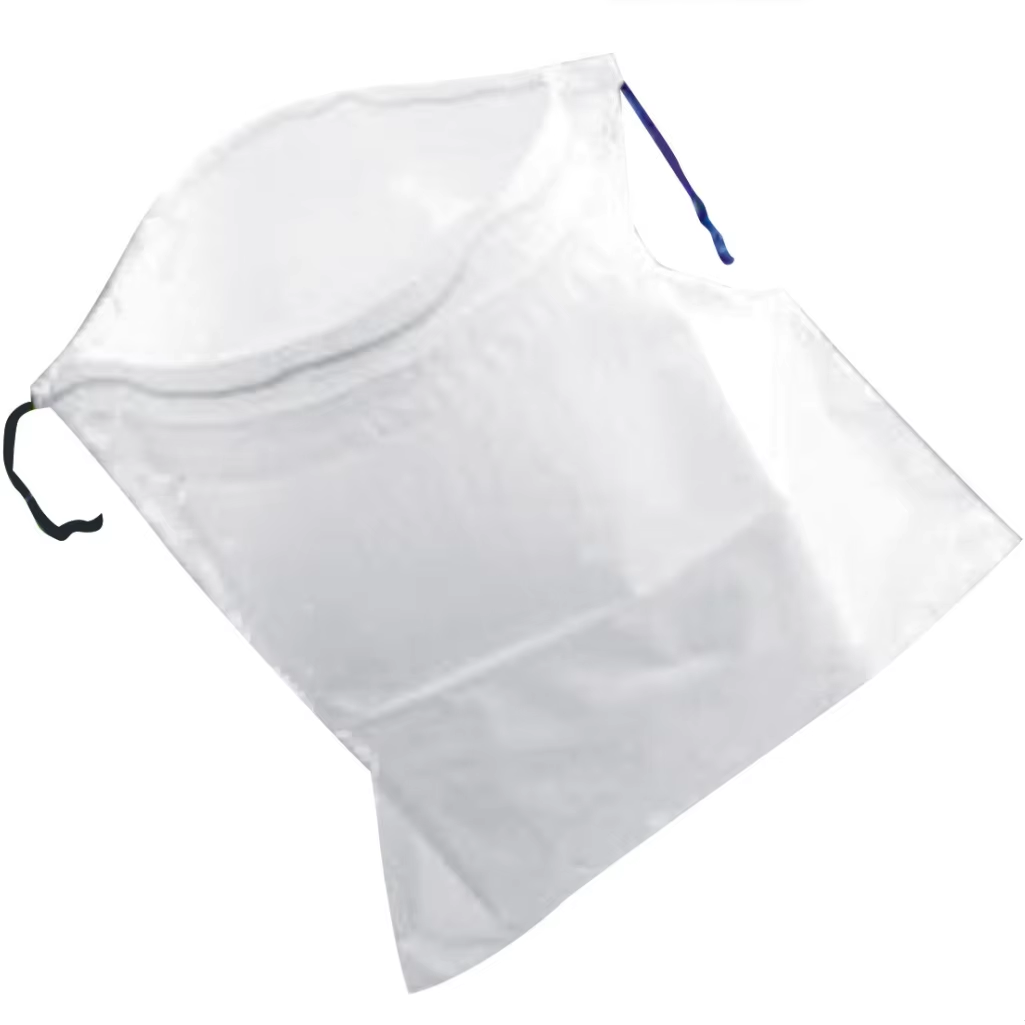
Infection Control: How Emesis Bags Break the Chain of Vomit-Mediated Pathogen Transmission
Vomitus as a High-Risk Biohazard: Viral, Bacterial, and Spore-Associated Transmission Risks
Vomit isn't just messy stuff coming up from someone's stomach - it's actually a serious health risk packed full of dangerous germs like norovirus, rotavirus, and those stubborn C. diff spores that can stick around on surfaces for months even when they're dry. When someone throws up, tiny bits of this stuff get sprayed through the air and can travel nearly 10 feet away! That means people nearby might breathe them in or touch contaminated surfaces later. Norovirus stands out here because it takes barely anything to make someone sick - just 18 little virus particles from less than a drop of vomit can start an infection. Using an emesis bag right away makes all the difference. It stops those airborne particles from spreading, keeps spores from settling everywhere, and cuts down on the chance of someone picking up germs from objects or their own hands after contact. For patients already fighting weakened immune systems, this matters a lot. If gastroenteritis goes untreated in these vulnerable populations, we're looking at death rates above 15%, which is why quick action really saves lives.
Evidence from Acute Care: Emesis Bag Compliance Correlates with Reduced C. diff and Norovirus HAIs
Clinical evidence confirms that consistent emesis bag use directly reduces healthcare-associated infections (HAIs). Facilities implementing standardized bedside dispensers—paired with staff training—demonstrated significant reductions in outbreak-related HAIs, per CDC-aligned containment protocols:
| Compliance Metric | Norovirus HAI Reduction | C. diff HAI Reduction |
|---|---|---|
| >90% accessibility | 41% | 33% |
| Staff training adherence | 37% | 29% |
When emesis bags are available right at patient care locations, response times drop by nearly 80%. This quick access helps stop pathogens from spreading through the environment before they can cause problems. Take a look at hospitals that keep these dispensers stocked in their emergency rooms and oncology departments - they've seen around 35% fewer instances where entire sections had to close down during outbreaks. And interestingly enough, studies show that roughly two thirds of all norovirus cases actually start from situations where someone's vomit wasn't properly contained. What this really shows is that those simple plastic bags aren't just there for convenience. They play a critical role in stopping infections from getting out of hand in medical facilities.
Patient-Centered Care: Emesis Bags as Enablers of Dignity, Autonomy, and Clinical Empathy
Psychological Safety and Timely Access: Reducing Distress During Acute Nausea Episodes
Getting quick access to an emesis bag can turn sudden nausea from something really scary into something patients can handle with dignity. People who throw up unexpectedly often feel anxious, lose control completely, and worry about getting embarrassed in front of others or ruining their clothes. When someone has one of those bags handy nearby, they can deal with it privately right away instead of waiting for help. According to research published last year by the Journal of Clinical Nursing, around three out of four patients said they felt much less stressed when these bags were kept visible next to their beds. This matters especially for people whose immune systems aren't strong enough to fight off infections easily. Being able to manage on their own helps them avoid feeling stigmatized or making caregivers uncomfortable. Plus, having ready access means healthcare workers aren't exposed to bodily fluids as much when dealing with sick patients.
Design Features That Support Compassionate Use: Leak-Proof Sealing, Odor Containment, and Discreet Disposal
Contemporary emesis bags integrate evidence-informed design to uphold patient dignity and safety:
- Triple-layer barriers ensure leak resistance even during violent retching
- Activated carbon filters neutralize volatile organic compounds within seconds of sealing
- Opaque, non-translucent materials conceal contents during transport and disposal
- Pre-scored tear-notches enable intuitive, one-handed closure—critical for fatigued or mobility-limited patients
These features collectively address core psychosocial needs: minimizing odor-related shame, eliminating spill-related embarrassment, and enabling discreet, independent disposal—without requiring staff assistance. Compact sizing further supports integration into dignity kits, palliative care carts, and mobile isolation units.
Operational Versatility: Emesis Bag Deployment Across High-Stakes Clinical Environments
Point-of-Care Readiness in Emergency, Transport, and Isolation Settings
Emesis bags really make a difference for infection control in those fast-paced, high risk situations we see all the time. Ambulance crews rely on these bags constantly because they need something quick to grab when someone throws up in tight spaces inside ambulances. The bags help stop germs from floating around in the air and keep paramedics safe from getting sick themselves. Hospital emergency rooms stock these everywhere near triage areas and treatment stations so staff can get one out in under ten seconds when someone suddenly feels nauseous. That speed matters a lot when dealing with patients who might have norovirus or other contagious illnesses. For isolation rooms where C. diff is a concern, the special leak proof design keeps dangerous spores contained during episodes of vomiting, following what the CDC and SHEA recommend for proper cleaning protocols. Since these bags are small and light, they fit right into crash carts, airway equipment packs, and mobile isolation setups without taking up much space or slowing down medical teams. What makes emesis bags stand out isn't just their function as containers but how adaptable they are during unpredictable moments in clinical care.
Regulatory Alignment and Best Practices for Emesis Bag Procurement and Use
When choosing emesis bags, healthcare facilities need to ensure they meet all the necessary regulatory requirements for medical devices. This means looking for FDA clearance as Class I devices and checking if manufacturers have ISO 13485 certification for their quality management systems. Important things to consider when buying include bags that won't leak, seals that show if someone has tampered with them, and proper labels that follow OSHA guidelines for bloodborne pathogens. Training staff is also critical. They need to know to seal bags right after use, dispose of them correctly through designated channels like red-bag waste systems, and understand how these items fit into broader outbreak response plans across the facility. Good vendors will supply documentation from independent tests showing their products hold up under stress, maintain strong seals, and contain odors effectively—all factors that impact infection control efforts. Many progressive hospitals are now combining these basic standards with digital tracking systems to keep tabs on how often bags get used, plan better restocking schedules, and create detailed records of disposal activities. This approach not only helps with regulatory compliance but actually improves day-to-day infection prevention results in clinical settings.
FAQ
What are the health risks associated with vomit?
Vomit contains dangerous germs like norovirus, rotavirus, and C. diff spores that can cause infection. These can become airborne and contaminate surfaces, posing significant health risks, especially to those with weakened immune systems.
How do emesis bags help in infection control?
Emesis bags prevent the spread of airborne particles from vomit, reduce the chance of surface contamination, and lower the risk of infection transmission, contributing to better infection control in healthcare settings.
Are there any regulatory requirements for emesis bags?
Yes, emesis bags should meet FDA clearance as Class I medical devices and have ISO 13485 certification. They should also follow OSHA guidelines for bloodborne pathogens.
Table of Contents
-
Infection Control: How Emesis Bags Break the Chain of Vomit-Mediated Pathogen Transmission
- Vomitus as a High-Risk Biohazard: Viral, Bacterial, and Spore-Associated Transmission Risks
- Evidence from Acute Care: Emesis Bag Compliance Correlates with Reduced C. diff and Norovirus HAIs
- Patient-Centered Care: Emesis Bags as Enablers of Dignity, Autonomy, and Clinical Empathy
- Operational Versatility: Emesis Bag Deployment Across High-Stakes Clinical Environments
- Regulatory Alignment and Best Practices for Emesis Bag Procurement and Use
- FAQ