 EN
EN


Invisibiles pericula in post-mortem tractatione
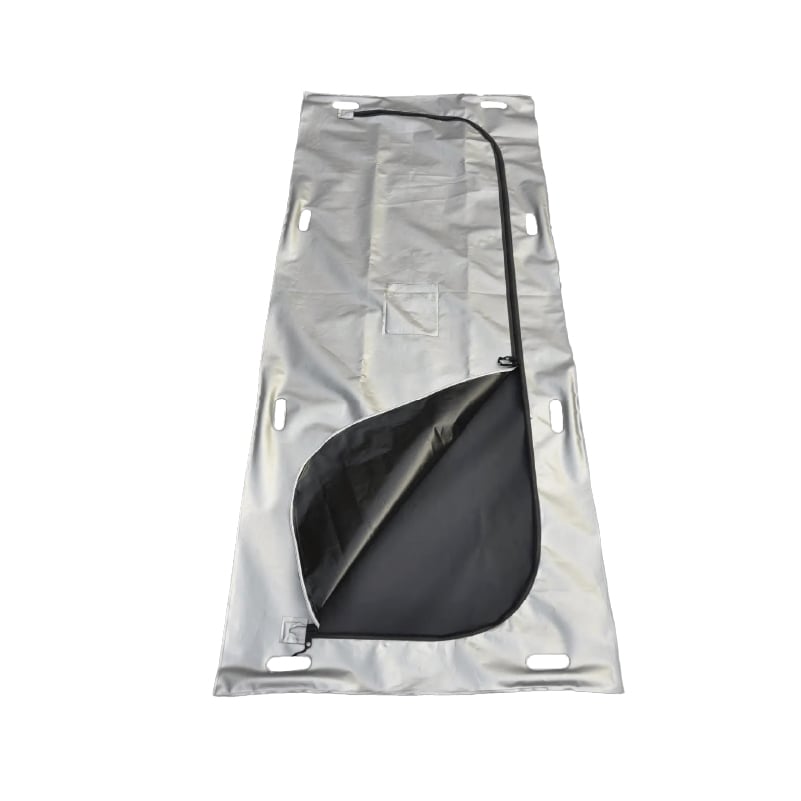
Funerale sacculi—vocantur etiam corpus sacculi aut post-mortem saccus—habent finem qui ultra dignam continentionem extenditur. Eorum principalis functio est protegere personam tractantem ab expositione ad patogenes sanguineos et alia materialia potenter infectiosa. Haec non est theoretica cura. Administratio Tutelae Occupationis et Sanitatis (OSHA) regulat explicite continentionem fluidorum corporis per suum Standard de Patogenis Sanguineis, et sacculi corporis in hoc regulamento clare continentur. .
Pericula sunt vera. Sanguis et alia fluida corporis possunt ferre hepatitis B, hepatitis C, HIV, et multos alios agentes infectiosos. Cum sacculus corporis deficit—sive per disruptionem suturae, defectum cernitur zippis, sive per puncturam—consequentiis pro persona tractante gravis esse possunt. Ideo constructio hermetica non est tantum proprietas; sed est requisitum non negotiabile.
What OSHA Regulation 3130 Actually Requires
OSHA Regulation 3130, which covers occupational exposure to bloodborne pathogens, sets clear expectations for containment of body fluids. While the regulation does not specify a particular brand or model of body bag, it does require that containers used for regulated waste—including human remains—must be closable, leak-proof, and properly labeled.
In practice, this means funeral bags must be constructed in a way that prevents any fluid from escaping during handling, transport, and storage. Heat-sealed seams are the industry standard for meeting this requirement. Stitched seams alone do not provide adequate protection because the needle holes create potential pathways for fluid migration. Electronic heat sealing melts the material together at the seam, creating a continuous, impermeable barrier.
Body bags that comply with OSHA 3130 typically feature:
-
Heat-sealed or high-frequency welded seams
-
Suturae quae plicatae, sutaed, et sigillatae sunt (non tantum sutae)
-
Materia quae resistent ad puncturas et lacerationes
The Zipper: A Critical Failure Point
The zipper is arguably the most vulnerable component of any funeral bag. A failed zipper can compromise the entire containment system, and in biohazard contexts, that failure is not merely inconvenient—it is dangerous.
Leak-proof funeral bags use heavy-duty zippers that are specifically designed for this application. Common specifications include rust-proof nylon zippers with interlocking sliders . Some designs feature envelope-style or curved zippers that reduce stress on the closure and provide a more secure seal. Dual-zipper configurations with two lockable pulls are also available, allowing the bag to be opened and closed at any point while maintaining containment.
The zipper must also resist corrosion. Body bags may be stored for extended periods, and exposure to fluids during use can accelerate degradation of standard metal zippers. Nylon or other corrosion-resistant materials are preferred for this reason.
Beyond OSHA: The Practical Realities of Field Use
Meeting OSHA standards is the baseline. But anyone who has worked in mortuary services, disaster response, or healthcare knows that real-world conditions often exceed what regulations anticipate.
Consider a mass-casualty incident. Body bags may need to be stacked, transported over rough terrain, or stored in less-than-ideal conditions. A bag that is leak-proof under ideal laboratory conditions may fail under the weight of multiple stacked bags or during extended transport. This is why many specifications call for 100% leak-proof seams—not just "leak-resistant". .
Thickness also matters. Many body bags are manufactured with material thicknesses of 10 mil or more. thicker materials offer greater puncture resistance and reduce the risk of tears during handling. Some bags are also tested for static lift strength, with capacities exceeding 450 pounds.
A Decontamination Team's Wake-Up Call
A team de descontaminatio hospitalari in le Pacifico Nord-Occidentale apprendeva iste lection per via dura. Durante un transferentia routine de restos ab un patiente qui habeva testate positivo pro un pathogeno sanguine, un sacco corporal de specifica standard se disrupteva al lungo de un sutura. Le fuga era minore—alcun uncias de liquido—mais le risco de exposition era significative. Le team debeva subir prophylaxia post-exposition e tote le area de transferentia requireva descontaminatio extensive.
Le hospital subsequenter revideva su specificas de acquisition e cambiat a saccos con suturas sigillate per calore e cernieras robuste. Le differentia de costo per sacco era marginal, ma le cambio eliminava le fallimentos de sutura in transferentias subsequente. Le capo del team notava ulteriormente que le hospital comprava le saccos plus baratos pro annos sin realisar que le construction de sutura era inadecuate pro le pathogenos con quos illos tractava.
Limitationes e uso appropriate
Saccos corporales herméticos sunt essentialis pro securitate biohazard, sed non sunt indestructibiles. Punctura ab objectis acutis—veluti fragmenta ossium aut instrumenta medica relicta in situ—potest compromittere etiam optimum saccum fabricatum.
Hi sacci etiam sunt ad usum singulum ex conceptione. Reusus non est recommendatus, quia processus purgationis et disinfectionis possunt materias degradare et proprietates hermeticas compromittere.
Normae Fabricationis Quae Importent
Differentia inter saccum funebrem fidelem et eum qui deficiat in momento critico saepe pendet a qualitate fabricationis. Constructio sutorum, electio cernuendorum, et electiones materiales sunt omnes variabiles quae determinant utrum saccus prout expectatur functurus sit.
Manufacturers like Dongguan Xiangwo Industry Co., Ltd. approach these products with an understanding that the stakes are high. Their focus on heat-sealed seams and corrosion-resistant zipper components reflects a commitment to meeting OSHA 3130 requirements—not as a checkbox exercise, but as a genuine safety imperative. In biohazard containment, the details that seem small during manufacturing are the details that matter most when a bag is in use.