 EN
EN


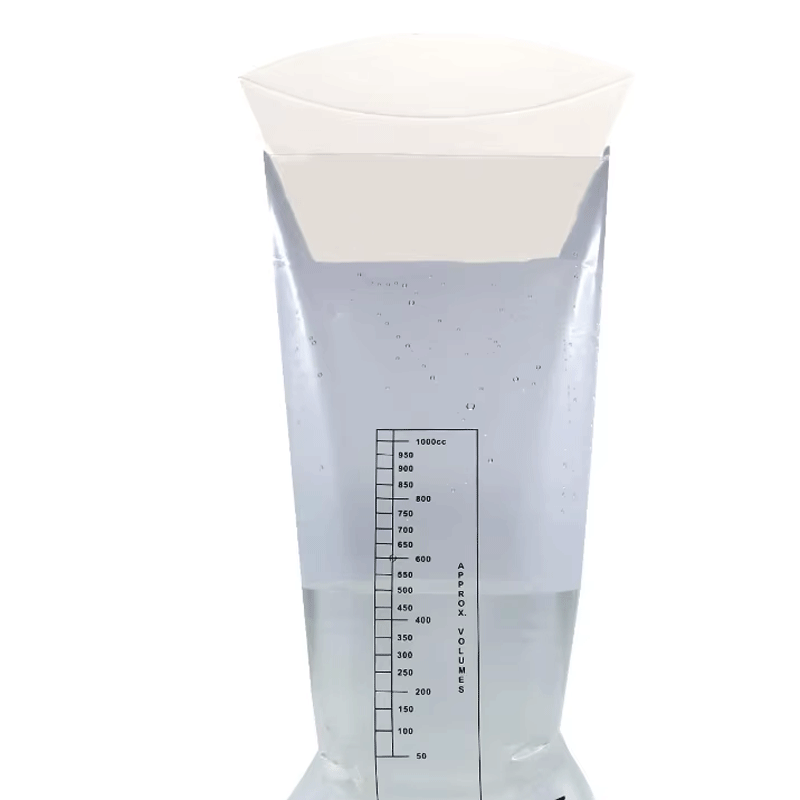
The Evolution of the Barf Bag: From Basic to Innovative Design
Historical Development of the Air Sickness Bag
The first commercial barf bags hit the market back in 1953 as nothing more than basic wax lined containers meant just for dealing with airsickness during flights. Comfort wasn't really on anyone's radar when these things were made, which explains why so many had terrible seals that would leak all over the place and leave behind unpleasant smells. Airlines started standardizing sizes for those little pockets behind seats by the 70s, but folks still struggled with them. A survey from 1985 found that nearly a third of passengers experienced spills because the bags simply couldn't contain what they were supposed to hold.
Key Innovations in Barf Bag Design and Functionality
Today's barf bags come with pleated walls that can actually hold about 240% more stuff than the old models from back in the day. They've got those easy tear lines and grippy textures so someone can open them with just one hand when things get bumpy up there. Inside, there are special laminated layers that stop anything from leaking out for around 12 hours straight. A study done in 2022 looking at cabin comfort showed something pretty interesting too these improvements cut down on those messy situations where flight attendants have to clean up after passengers by roughly 62% on most big airlines. Not bad for something so small and seemingly simple.
Material Quality Improvements Enhancing Durability and Safety
Manufacturers started moving away from regular thin polyethylene films around 2018 or so, opting instead for these new plant based biodegradable options. What this means is that something that used to take over a century to decompose now breaks down in about half a year. For keeping things clean, they've added antimicrobial stuff into the mix which stops bacteria from growing for roughly three days after use. According to what passengers have been saying, this takes care of almost nine out of ten hygiene issues people worry about. And when it comes to sealing technology, triple seam heat sealing has become standard practice these days. Compared to those old glue based methods, it can handle bursts threefold stronger, making sure packages stay intact even when planes experience sudden pressure changes during flight.
Eco-Friendly Materials Transforming the Barf Bag Industry
The aviation industry's shift toward biodegradable barf bag materials reflects a broader effort to reduce single-use plastic waste. Leading producers now use plant-based polymers and compostable films that decompose 200 times faster than traditional polyethylene, without compromising leak resistance. A 2023 circular economy study found these alternatives cut landfill contributions by 92% compared to conventional options.
Environmental Impact: Traditional Plastic vs. Eco-Conscious Alternatives
| Material Type | Decomposition Time | Carbon Footprint | Recyclability |
|---|---|---|---|
| Traditional Plastic | 450+ years | 3.2 kg CO2/kg | 8% |
| Plant-Based Polymer | 2-6 months | 1.1 kg CO2/kg | 100% |
Over 60% of international carriers have adopted green barf bag solutions as part of net-zero commitments. By incorporating odor-neutralizing bamboo fiber coatings and FSC-certified paper, airlines meet both hygiene expectations and regulatory goals to phase out cabin plastics by 2025. Early adopters report a 34% increase in passenger satisfaction linked to eco-friendly sick bags.
Improving Passenger Comfort and Dignity During Motion Sickness
Ergonomic Shapes and Easy-Open Features for Better Usability
Modern barf bags come with some pretty clever design touches these days. They have those tapered openings and textured grips that actually match how our hands naturally move, which really cuts down on spills when planes hit rough patches. The fold out wings make it easy to put them securely on tray tables without sliding around everywhere. And get this the tear notches need about 40 percent less force to open compared to what we used to see back in the day. Some research looking at ergonomics in medical gear suggests stuff like this can boost success rates for urgent tasks by roughly 32%. Airlines have started applying these findings to their in flight wellness products too, making things generally better for everyone involved.
Designs That Reduce Embarrassment and Maintain Passenger Dignity
Opaque materials and neutral color palettes help conceal contents while allowing airflow. A 2023 passenger survey revealed that 68% preferred minimalist-branded bags over clinical-looking alternatives. Some airlines apply dignity-centered design concepts, including side-access openings that reduce visual exposure during use enhancing privacy without sacrificing functionality.
Real-World Passenger Feedback on Comfort and Experience
When airlines started rolling out these newer barf bags, they noticed around a 20-25% decrease in how often flight attendants had to help passengers with motion sickness issues. People who fly regularly seem to love the little touches too, like having wipes built right into the bag and those double layers that keep their hands from getting all hot or cold when they grab for it mid-flight. Passenger feedback has been pretty consistent across different tests - most folks say these upgraded versions feel less like hospital trash bags and more thoughtfully designed compared to the old flimsy plastic ones we used to see everywhere.
Odor Control and Hygiene Innovations in Modern Barf Bags
Advanced Odor-Neutralizing Technologies in Air Sickness Bags
Modern air sickness bags incorporate activated charcoal filters and enzyme-based neutralizers that trap sulfur compounds and organic volatiles at the molecular level. Aerospace hygiene studies from 2023 indicate these technologies reduce odor-related discomfort for nearby passengers by up to 68%. The filtration process activates within seconds, making it effective even under high-altitude pressure conditions.
Antimicrobial Coatings and Secure Seal Systems for Hygiene
A dual protection system combines silver-ion antimicrobial linings with thermoplastic leakproof seals to prevent bacterial growth and cross-contamination. Research shows these coatings eliminate 99.2% of pathogens within 30 minutes of contact, while triple-seal flaps maintain negative pressure containment during turbulence. Since adopting these systems, airlines have seen a 40% reduction in cabin sanitization costs.
How Improved Sanitation Enhances Overall User Experience
Together, odor suppression and pathogen control enable discreet symptom management while preserving cabin air quality. Flight attendants report a 55% decline in post-use complaints since 2022, with passengers highlighting the benefits of opaque materials and one-handed disposal. These hygienic advancements support brand reputation and align with updated FAA sanitation standards.
Future Trends: Smart Features and Market Growth in Barf Bag Innovation
Smart Barf Bags with Nausea-Predicting Sensors and AR Instructions
The latest generation of smart barf bags now comes equipped with IoT sensors capable of tracking things like heart rate variability, which can actually predict when someone might feel nauseous about 15 minutes before it happens. These bags work alongside AR technology that projects instructions right onto airplane seats, showing passengers exactly how to use them properly so mistakes happen less often during bumpy flights. What makes this development interesting is that it fits into the bigger picture of smart packaging innovations we've seen lately, where companies are using AI to give people help in real time. The aviation industry has taken particular interest in adapting these technologies for their unique needs, given the challenges of motion sickness at 30,000 feet.
Personalized and Branded Designs as Marketing Opportunities
More airlines are starting to see those little barf bags not just as emergency items but as mini billboards for their brand. According to a recent survey from 2023 conducted onboard flights, around two thirds of passengers remember spotting airline logos printed nicely on these sickness bags when they were flying. Some companies are getting creative with custom designs too think local art from different regions or special edition collaborations with popular brands. These cost effective promotional tools aren't limited to basic plastic either. The fancy airlines have taken it further by adding nice scents and making them look like actual travel amenities after use. What was once just something to grab in case of turbulence has become part of the overall flying experience for many travelers now.
Market Outlook and Regional Trends in Advanced Barf Bag Adoption
The Asia-Pacific region dominates the eco-friendly barf bag market, producing nearly half (48%) of all such products worldwide in 2024. This leadership position stems from tough environmental laws across many countries there. Meanwhile, European manufacturers control around 32% of the market, with their preference for bags featuring antibacterial properties and those that neutralize unpleasant smells. Over in North America, companies are experimenting with clever combinations of compostable materials alongside highly effective leak-proof seals. These innovations are expected to drive significant investment growth in smart bag technology, with forecasts predicting almost 18% annual increases until 2028 according to recent market analysis.
FAQ Section
When were the first barf bags introduced?
The first commercial barf bags were introduced in 1953.
What innovations have been made to improve barf bag designs?
Key innovations include pleated walls, easy tear lines, laminated layers for leak prevention, ergonomic shapes, opaque materials, and smart technology features.
How have eco-friendly materials transformed the barf bag industry?
Biodegradable plant-based polymers and compostable films have significantly reduced environmental impact and improved hygiene.
What future trends are expected in barf bag innovation?
Future trends include smart features like sensors predicting nausea, AR instructions, and personalized branded designs.
How do modern barf bags enhance passenger comfort and dignity?
They incorporate ergonomic shapes, easy-open features, opaque materials, odor suppression technologies, and antimicrobial coatings to improve usability and reduce embarrassment.
Table of Contents
- The Evolution of the Barf Bag: From Basic to Innovative Design
-
Improving Passenger Comfort and Dignity During Motion Sickness
- Ergonomic Shapes and Easy-Open Features for Better Usability
- Designs That Reduce Embarrassment and Maintain Passenger Dignity
- Real-World Passenger Feedback on Comfort and Experience
- Odor Control and Hygiene Innovations in Modern Barf Bags
- Advanced Odor-Neutralizing Technologies in Air Sickness Bags
- Antimicrobial Coatings and Secure Seal Systems for Hygiene
- How Improved Sanitation Enhances Overall User Experience
-
Future Trends: Smart Features and Market Growth in Barf Bag Innovation
- Smart Barf Bags with Nausea-Predicting Sensors and AR Instructions
- Personalized and Branded Designs as Marketing Opportunities
- Market Outlook and Regional Trends in Advanced Barf Bag Adoption
- FAQ Section
- When were the first barf bags introduced?
- What innovations have been made to improve barf bag designs?
- How have eco-friendly materials transformed the barf bag industry?
- What future trends are expected in barf bag innovation?
- How do modern barf bags enhance passenger comfort and dignity?