 EN
EN


The Problem That Nobody Wants to Talk About
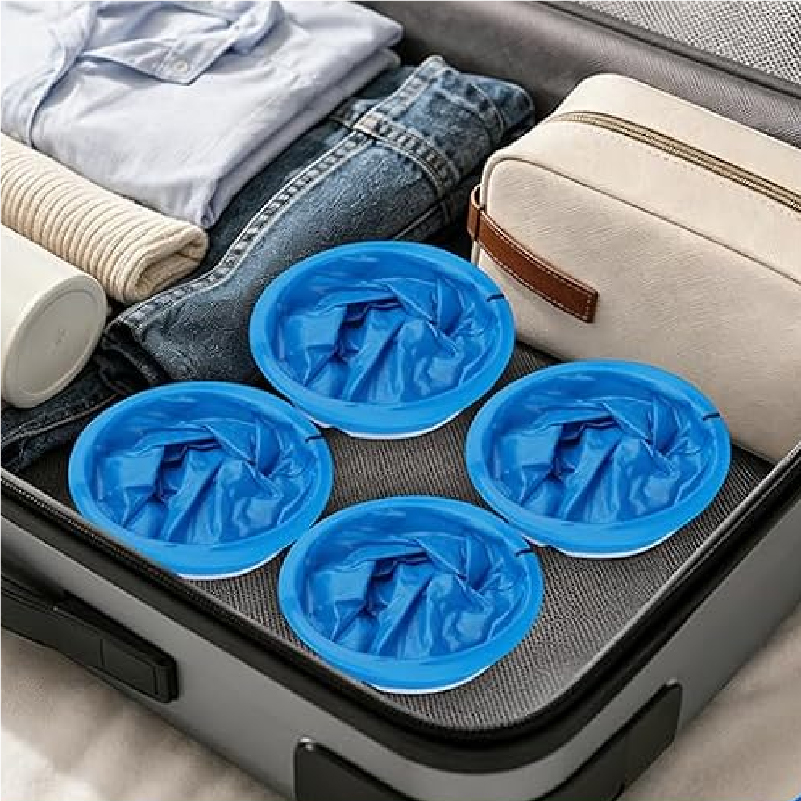
Vomit bags—called emesis bags in clinical settings—are one of those products that everyone hopes they will never need but that healthcare facilities cannot do without. They appear in emergency departments, oncology wards, post-anesthesia care units, ambulances, and countless other settings where nausea is a possibility.
The challenge with these bags is not just capturing the vomit; it is containing it afterward. Improperly sealed emesis bags release odors that can trigger nausea in nearby patients and staff, creating a cascade of additional incidents. Worse, an unsealed or poorly sealed bag can leak, exposing staff to biological material and creating contamination risks.
The Anatomy of a Proper Seal
Not all emesis bags seal the same way. The most common and reliable closure mechanism is the twist-and-lock or twist-and-seal design. After the bag has been used, the user twists the top of the bag tightly and then secures it—often by hooking it into a notch or slot on the rigid ring that holds the bag open.
Some designs incorporate a super-absorbent pad inside the bag. This pad gels the liquid contents within seconds, reducing the risk of splashes and making the bag easier to seal. The gelling action also helps trap odors, because the volatile compounds that produce smell are absorbed along with the liquid.
| Seal Feature | Benefit |
|---|---|
| Twist-and-lock closure | Creates a mechanical seal |
| Super-absorbent pad | Gels liquids, reduces splashes |
| Rigid ring with notch | Provides a secure hold for the twisted closure |
| Leak-resistant material | Prevents fluid escape through the bag walls |
Step-by-Step: Sealing a Vomit Bag Correctly
The sealing process is simple but requires attention to detail. Here is the sequence that works reliably:
-
Hold the bag upright so that all contents settle at the bottom. This prevents material from getting trapped in the seal area.
-
Twist the top of the bag firmly, starting from just above the contents and working upward. The twist should be tight enough to create a secure closure but not so tight that it damages the bag material.
-
Secure the twisted portion using the bag’s built-in locking mechanism. On many designs, this means hooking the twisted top into a notch on the rigid ring.
-
Check the seal by gently squeezing the bag. If air escapes, the seal needs to be tightened or repositioned.
-
Dispose of the bag according to facility protocols. If the contents are not infectious, the sealed bag can go into regular waste. If infectious, biohazard disposal procedures apply.
Why Odor Containment Matters More Than You Think
Odor containment is not just about comfort—although that is reason enough. Unpleasant smells from vomit can trigger a vasovagal response in susceptible individuals, leading to additional episodes of nausea and even fainting. In a healthcare setting, one patient vomiting can trigger a chain reaction of nausea among nearby patients and staff.
There is also an infection control dimension. Odors are carried by volatile organic compounds that are released from the contents. While the smell itself is not necessarily infectious, the fact that odors escape means that the bag is not fully sealed. If volatile compounds can escape, so can aerosolized particles. A properly sealed bag minimizes this risk.
A Lesson from a Busy Emergency Department
A level-one trauma center in the Southwest was experiencing recurring complaints from staff about odor issues in its emergency department. The complaints were not just about discomfort—nurses were reporting that the smell of vomit was triggering secondary nausea, and in some cases, staff were having to step away from their stations to recover.
The department reviewed its emesis bag protocol and discovered that staff were not consistently sealing the bags after use. Some were tying knots in the top, which did not create a reliable seal. Others were simply folding the top over and setting the bag aside.
The department switched to bags with a twist-and-lock closure system and provided a five-minute hands-on demonstration to all nursing staff. The change was immediate. Odor complaints dropped sharply within the first week, and staff reported that the new bags were easier to use than the old ones. The department also noted that the absorbent pad in the new bags reduced the sloshing effect during transport, making the entire process less unpleasant.
Common Mistakes and How to Avoid Them
Even with a good bag, sealing can go wrong. The most common mistakes include:
Twisting too loosely. A loose twist does not create an adequate seal. The bag should be twisted until it forms a tight, compact bundle at the top.
Twisting too close to the contents. If the twist starts too low, contents can work their way into the seal area, preventing a complete closure. Start the twist well above the contents.
Failing to secure the twist. Many bags have a locking mechanism built into the rigid ring. Using it is not optional—it is what keeps the twist from unraveling.
Overfilling the bag. Most emesis bags have a fill line or capacity marking. Exceeding this capacity makes sealing difficult and increases the risk of leakage.
When the Bag Is Not the Right Tool
Emesis bags are designed for one specific purpose: collecting vomit and containing it until disposal. They are not appropriate for other types of waste, and they are not designed to be opened and resealed multiple times. Once sealed, the bag should be disposed of promptly.
For patients with ongoing nausea, multiple bags may be needed. Facilities should ensure that bags are readily accessible at the bedside and that staff know where additional supplies are stored.
Small Details, Big Difference
The proper sealing of a vomit bag might seem like a minor detail in the grand scheme of healthcare operations. But for the patient who has just vomited, the staff member who has to handle the bag, and the other patients in the vicinity, it makes a real difference.
Manufacturers like Dongguan Xiangwo Industry Co., Ltd. have developed emesis bags that combine user-friendly sealing mechanisms with reliable odor containment. The design choices—from the twist-lock closure to the absorbent pad—reflect a practical understanding of how these products are actually used. In healthcare, the products that work best are often the ones that make the right thing the easy thing to do.
Table of Contents
- The Problem That Nobody Wants to Talk About
- The Anatomy of a Proper Seal
- Step-by-Step: Sealing a Vomit Bag Correctly
- Why Odor Containment Matters More Than You Think
- A Lesson from a Busy Emergency Department
- Common Mistakes and How to Avoid Them
- When the Bag Is Not the Right Tool
- Small Details, Big Difference