 EN
EN


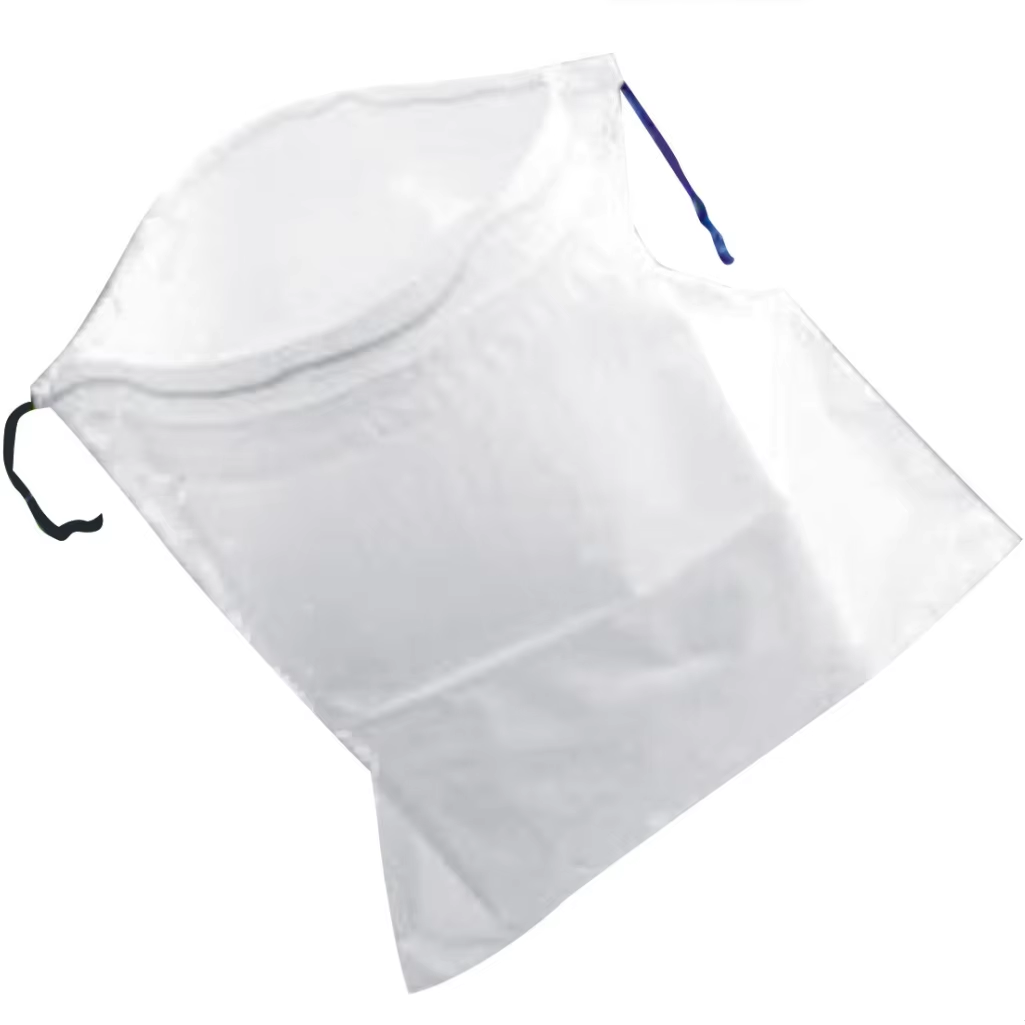
Emesis Bags in Clinical and Emergency Medical Settings
Infection Control: Preventing Cross-Contamination in Hospitals, EMS, and Home Care
Emesis bags act as first line protection against spreading germs by keeping vomit contained right where it happens, which stops things like airborne particles, splashes, and messes on surfaces. These bags are built to be leak proof with those twist seals that really lock down tight, something that matters a lot in places like isolation units or when paramedics are moving patients around. There's just not much room for error in these situations, and any movement can cause spills otherwise. For people caring for others at home, throwing away used emesis bags after one time helps protect caregivers from getting exposed to nasty bugs like norovirus and C. difficile. This whole containment strategy actually fits what the CDC recommends for preventing infections, and it means less need to constantly clean surfaces after every incident.
Regulatory Compliance and Bodily Fluid Management Standards
Healthcare facilities must comply with OSHA’s Bloodborne Pathogens Standard (29 CFR 1910.1030), DOT transport rules, and EPA infectious waste policies. Emesis bags support adherence through three core features:
| Compliance Feature | Regulatory Benefit |
|---|---|
| Pre-labeled biohazard symbols | Meets OSHA requirements for immediate waste identification |
| Sealed closure mechanism | Ensures spill-free transport per DOT hazardous materials regulations |
| Single-use polymer construction | Supports EPA goals for reducing infectious waste volume and environmental impact |
Consistent use of compliant emesis bags strengthens traceability across the waste chain—from point-of-use to incineration—and helps facilities maintain Joint Commission accreditation while mitigating liability from exposure incidents.
Emesis Bags for Travel: Supporting Motion Sickness and Passenger Safety
Leak-Proof, Compact Design for Air, Sea, and Land Transport
When someone gets motion sick during travel, having something that works fast and reliably becomes absolutely essential. These medical quality vomit bags are built with thick HDPE material and strong plastic edges so they don't leak even when planes hit turbulence or cars take sharp turns. Folded down, they measure around 5 by 7 inches which makes them easy to stash away in airplane seat compartments, regular backpacks, or those emergency medical packs airlines provide. Some tests out there show these special bags can handle about triple the pressure inside compared to regular ones we see everywhere else. That means way fewer messes happening while traveling, maybe cutting spills down by nearly ninety percent according to what some people who actually tested them reported.
Hygienic Disposal Protocols in Confined Spaces (e.g., Aircraft Cabins)
In tightly enclosed transportation settings, improper disposal poses outsized infection risks. Leading airlines and cruise operators follow standardized protocols:
- Immediate sealing via adhesive strips post-use
- Placement in designated biohazard bins located in lavatories or crew service areas
- Alcohol-based sanitizer stations positioned near disposal points
These measures reduce cross-contamination risk by 97% in aircraft cabins, per peer-reviewed cabin air quality studies. Passengers are advised to alert crew rather than discard used bags in general waste. Crew training ensures proper bio-waste isolation until professional incineration—meeting IATA Health Guideline 8.5 for safe bodily fluid management.
Dual-Use Reliability: How Medical-Grade Emesis Bags Meet Both Clinical and Travel Demands
Medical grade emesis bags work just as well whether they're used in hospital settings or on airplanes and cruise ships. They aren't some half measure either, but built that way from the start. These bags have features that stop leaks, closures that won't come undone, and materials that block smells which meet all those strict hospital standards for preventing infections. When people are traveling by plane or boat, these same properties keep things safe for passengers too. The manufacturers test these materials thoroughly against bodily fluids and check how they hold up when there are sudden shifts in pressure. What this means practically is that what makes them durable enough for clinics also works great when someone needs them while flying over mountains or crossing oceans.
Market trends show this product has two main uses. Medical applications make up almost half the market at 48.6% according to Future Market Insights data from 2025. The growth here comes from things like chemo treatments, recovery after surgery, and taking care of elderly patients. At the same time, more airlines are starting to adopt these products too. Plane companies want happy passengers and they need to follow strict regulations. Why do both sectors keep coming back to the same solution? Well, they need quick containment when something goes wrong, one time only safety features, plus good control over smells and liquids that might leak out during transport or treatment.
Today's manufacturers are finding ways to serve two markets at once. Flushable emesis bags have been developed to meet those ASTM dissolvability standards we all know about, while the versions meant for landfills actually feature thicker barriers but still manage to stay portable enough for everyday carry. According to the latest market analysis from 2025, there's definitely a trend toward these combined designs. Doctors and nurses get their hands on compact storage options that have already stood the test of time on long trips, while regular folks traveling by air can finally enjoy the same kind of protection against sickness that hospitals offer when planes hit rough patches. What makes this approach work so well is how it removes the usual compromises people face between medical grade quality and something they can actually take with them anywhere.
FAQ
What are the key benefits of using emesis bags in healthcare settings?
Emesis bags provide infection control by preventing the spread of germs and comply with regulatory standards for safe waste management.
How are emesis bags used differently during travel compared to clinical settings?
While the bags maintain their core functionality, during travel they are adapted to handle motion, compact storage, and easy disposal in confined spaces like aircraft cabins.
Are there any specific regulations for disposing of emesis bags in aircraft cabins?
Yes, proper disposal protocols include sealing the bags with adhesive strips, placing them in designated biohazard bins, and crew training to handle bio-waste isolation until incineration.
What materials are used to ensure emesis bags do not leak?
Emesis bags are made from thick HDPE material with strong plastic edges to prevent leaks even under pressure changes during travel.