 EN
EN


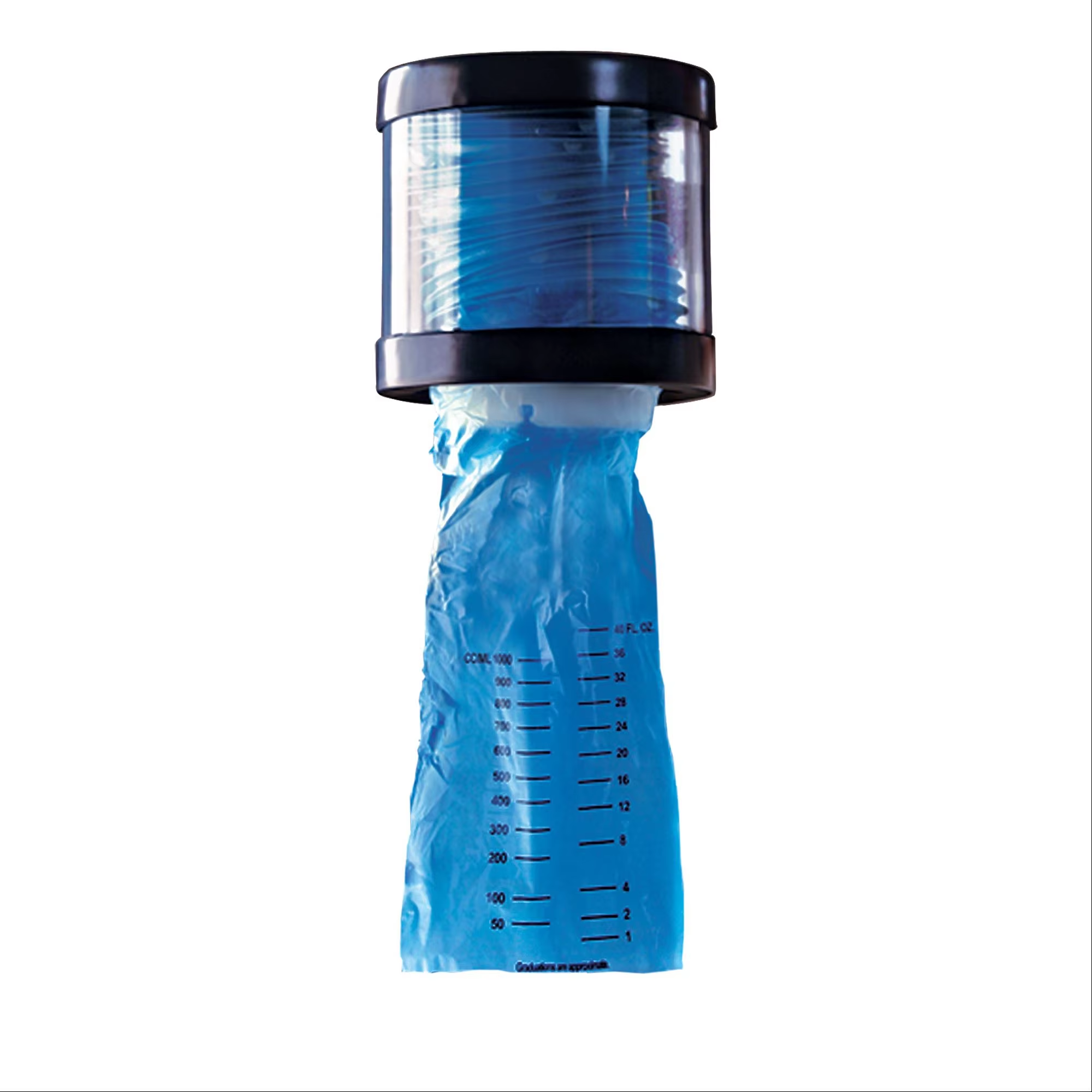
Why Generic Vomit Bag Dispensers Fall Short Across Critical Settings
The standard vomit bag dispensers just don't cut it in places where things get really serious, like hospitals and busy transport terminals. These one-size-fits-all models miss so many important details specific to each location, which creates all sorts of problems both operationally and safety-wise. Hospitals face major infection control issues because their dispensers aren't made with materials that can handle proper sterilization processes. Without good seals, there's a real risk of spreading germs between patients. On planes and ships too, regular dispensers fall short when vibrations shake loose the bags at exactly the worst times - like during turbulence or stormy weather when people actually need access. The plastic used in cheaper models breaks down fast after constant cleaning in hospital settings or crowded public spots, meaning replacements happen way too often. Installation is another headache altogether since those fixed brackets won't work on different surfaces ranging from airplane walls to narrow ship hallways. What really gets frustrating though is how these dispensers disrupt normal workflows. Nurses end up wasting precious minutes hunting down misplaced units, while transport workers deal with refills that are impossible to manage in tight spaces. According to recent industry data, facilities stuck with generic dispensers report around 34% more contamination cases and nearly 27% more complaints about accessibility problems compared to those with better designed systems (Facility Hygiene Report 2026). Bottom line? When dealing with situations where reliability matters most, nothing beats equipment engineered specifically for the environment rather than trying to make something fit everywhere.
Healthcare-Optimized Vomit Bag Dispensers: Infection Control and Workflow Integration
Vomit bag dispensers play a really important role in hospitals and clinics when it comes to stopping germs from spreading. When someone throws up and it's not contained properly, all sorts of bad bacteria get released into the air and surfaces. Clinical research shows this can actually raise infection rates by around 40% in busy areas such as emergency rooms and hospital wards. The good news is sealed systems stop stuff from spilling everywhere and keep those nasty particles from floating around. Plus, touch free dispensers mean fewer places where hands can spread contaminants. This matters a lot because many healthcare workers are already wearing gloves and masks, so reducing extra touchpoints helps protect everyone involved.
Material Selection and Sterilization Compatibility for Clinical Environments
The materials used for dispensers need to hold up against constant cleaning without breaking down over time. Many manufacturers now incorporate antimicrobial plastics alongside stainless steel parts because these combinations stand up better to harsh chemical cleaners that get applied after every patient contact. When it comes to sterilization methods, most hospitals look for equipment that works well with either autoclaves or UV light treatments since this helps them maintain compliance with those Joint Commission guidelines. The modular design of modern cartridge systems makes restocking much safer for staff members who don't have to handle potentially contaminated surfaces when refilling supplies. For doctors and nurses working through emergency situations like cardiac arrests or norovirus flareups, having dispensers that just keep working under pressure matters a lot. Quick access combined with proper containment features can literally mean the difference between life and death in those critical moments.
Transportation-Specific Vomit Bag Dispensers: Designing for Motion, Space, and Safety
Motion-based environments like aircraft and ships demand specialized vomit bag dispensers that address vibration, spatial constraints, and emergency access. Standard dispensers fail when subjected to turbulence or tight quarters, risking inaccessible supplies during critical moments.
Airlines and Cruise Ships: Compact, Secure, and Passenger-Friendly Dispenser Solutions
Transportation-optimized dispensers feature:
- Vandal-resistant polymers that withstand high-impact scenarios while resisting pathogens
- 45-degree dispensing angles enabling one-handed retrieval—crucial when balancing in moving vehicles
- Universal symbol panels paired with color-coded alerts, proven in European rail studies to increase usage by 34%
- Seismic-rated mounting systems preventing displacement during extreme motion
Compact designs integrate into seatbacks and bulkheads without compromising aisle space, while touch-free mechanisms prevent germ spread. Passenger flow analyses confirm these adaptations reduce cleanup delays by 41% compared to generic units during motion-sickness incidents.
Selecting the Right Vomit Bag Dispenser: A Location-Based Decision Framework
Picking the right vomit bag dispenser really requires thinking about what kind of environment it will be used in. Hospitals are all about keeping germs at bay, so they need dispensers made from materials that can handle regular sterilization. Stainless steel works well here, along with those special plastics that resist bacteria growth even after repeated cleanings. For places like train stations or bus terminals, things get trickier. Space is tight, people move around a lot, and folks need to grab bags quickly without fumbling. That's why we see dispensers angled at around 45 degrees these days, plus touch free options that let passengers retrieve bags while holding onto something else. The numbers back this up too airports and cruise ships have seen pretty good results, about 92% of users find the one handed systems work when planes hit turbulence or trains get packed. Outdoors areas present their own issues though. Vandalism is a real concern, which is why many public spots now feature tough construction materials. Also important are those simple icons everyone understands regardless of language barriers. Studies show this approach makes a difference European transit stations reported roughly 34% more usage when they added color coded warning signs next to the dispensers.
| Decision Factor | Healthcare | Transportation | Public Spaces |
|---|---|---|---|
| Critical Priority | Sterilization compatibility | Motion resistance | Vandal resistance |
| Capacity Needs | High-volume clinical zones | Compact high-traffic areas | Moderate-density zones |
| Material Requirement | Medical-grade polymers | Reinforced polycarbonate | Anti-tamper composites |
The way things get installed really affects what gets chosen. Wall mounted units save precious room in tight airplane hallways, whereas modular setups can actually hook up with existing airport navigation systems. When it comes to maintenance, some factors stand out. Equipment featuring clear panels makes it much easier to spot when refills are needed, cutting down on time lost due to maintenance issues. Some studies in hotels show around a quarter reduction in downtime thanks to these transparent features. Looking at all the specifics of each location helps stop problems before they spread, and saves money over time without compromising safety standards.
FAQ
Why are generic vomit bag dispensers unsuitable for hospitals?
Generic vomit bag dispensers are unsuited for hospitals due to their inability to handle sterilization processes and seal effectively, which can lead to germ spread and increased infection risk.
What are the benefits of using healthcare-optimized vomit bag dispensers?
Healthcare-optimized vomit bag dispensers offer benefits like improved infection control through sealed systems, reduced contamination with touch-free designs, and materials that withstand constant cleaning.
How do transportation-specific dispensers enhance safety?
Transportation-specific dispensers address motion and space constraints by including features such as vandal-resistant materials, secure mounting systems, and one-handed retrieval during travel motion.
What factors should location managers consider when choosing vomit bag dispensers?
Location managers should consider sterilization needs, motion resistance, space constraints, and material durability to select the appropriate vomit bag dispensers for their environment.
Can specialized vomit bag dispensers reduce maintenance issues?
Yes, specialized dispensers with clear panels and modular designs make refills easier and reduce maintenance downtime, enhancing operational efficiency.
Table of Contents
- Why Generic Vomit Bag Dispensers Fall Short Across Critical Settings
- Healthcare-Optimized Vomit Bag Dispensers: Infection Control and Workflow Integration
- Transportation-Specific Vomit Bag Dispensers: Designing for Motion, Space, and Safety
- Selecting the Right Vomit Bag Dispenser: A Location-Based Decision Framework
-
FAQ
- Why are generic vomit bag dispensers unsuitable for hospitals?
- What are the benefits of using healthcare-optimized vomit bag dispensers?
- How do transportation-specific dispensers enhance safety?
- What factors should location managers consider when choosing vomit bag dispensers?
- Can specialized vomit bag dispensers reduce maintenance issues?