 EN
EN


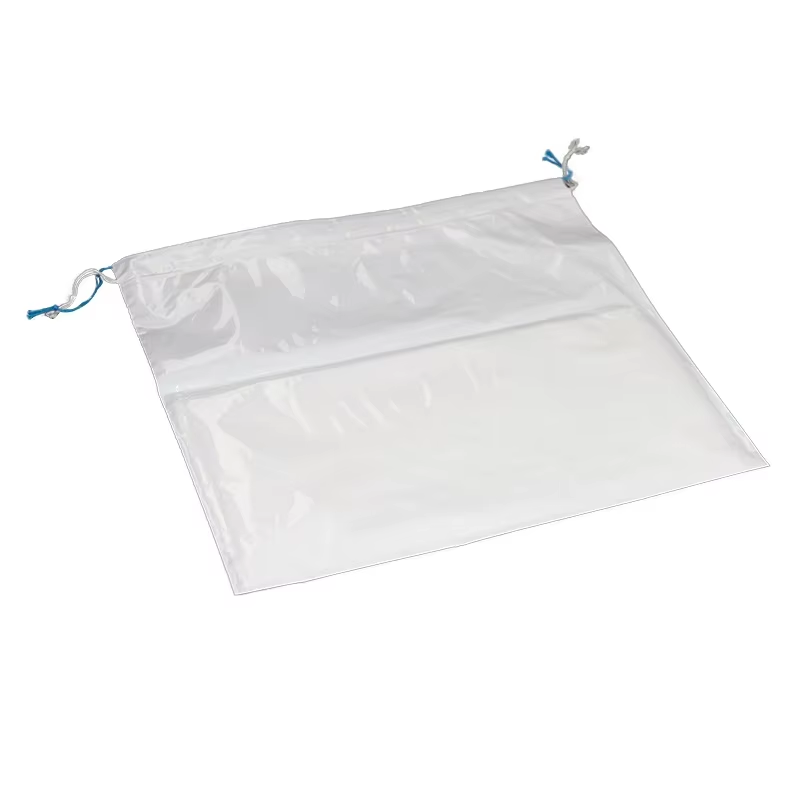
Understanding Underpads and Their Core Applications
What Underpads Are and Their Primary Function
Underpads basically act as those thick, absorbent mats we place underneath people who need extra protection against accidents, spills, or just general dampness. Most have three parts really: a comfy top layer so it doesn't feel too rough against the skin, then comes the middle part made either from fluffy pulp stuff or these special polymer materials that soak things up real good, and finally there's this water resistant bottom layer that stops everything from getting through to whatever surface lies beneath whether it be a bed, chair, or floor area. The whole point of them is making cleaning easier without hurting anyone's skin or messing up the cleanliness of whatever surface they're placed on, particularly important when dealing with folks who struggle with bladder control issues. Healthcare reports from last year show something interesting actually - around 6 out of 10 nursing homes reportedly use these pads every single day not just because they make life simpler but also to cut down on all that washing and drying stuff plus save mattresses from getting ruined over time.
Common Uses in Incontinence Management, Infant Care, and Pet Care
- Incontinence care: Help prevent skin irritation and pressure ulcers by quickly wicking moisture away from the body.
- Newborns: Act as portable changing surfaces and contain leaks during overnight diaper use.
- Pets: Protect flooring and crates during house-training or post-surgical recovery.
Protecting Surfaces: Mattresses, Chairs, and Flooring
Underpads provide targeted protection for high-risk areas:
| Surface | Protection Focus | Example Use Case |
|---|---|---|
| Mattresses | Prevent fluid penetration | Overnight incontinence management |
| Wheelchairs | Avoid seat cushion contamination | Daytime mobility protection |
| Hardwood | Guard against pet accidents | Puppy training phases |
Advanced models include anti-slip backing to remain securely positioned during movement.
Matching Absorbency Levels to User Needs and Incontinence Severity
Assessing Incontinence Severity and Corresponding Absorbency Needs
Selecting the proper underpad begins by looking at how severe the incontinence actually is. For people who experience only mild leakage, about one or two incidents daily, an underpad that can handle between eight to twelve ounces should work fine. Those dealing with moderate or heavy incontinence, three or more accidents during the day or nighttime wetting, need something much stronger, around twenty-four to thirty-four ounces according to research from the Ponemon Institute last year. When someone uses pads that aren't matched properly to their needs, they face serious consequences. Skin problems become far more likely, increasing the risk by nearly two thirds. Plus there's the financial side too these mismatches cost extra money on cleaning expenses, roughly seven hundred forty dollars each year just for washing everything out.
Absorbency Levels: Light, Moderate, and Heavy Protection Options
Underpads are categorized into three absorbency tiers:
- Light (8–16 oz): Suitable for minor dribbles or post-surgical use
- Moderate (17–26 oz): Handles multiple daily leaks
- Heavy (27–34 oz): Designed for overnight use or complete bladder emptying
Many brands now offer time-specific designs, with nighttime variants delivering 32% greater absorbency than daytime versions while maintaining a slim 2.1-inch profile.
Absorbent Materials: Foam, Fluff Pulp, and Synthetic Polymers
| Material | Absorption Speed | Cost per Use | Skin-Friendliness |
|---|---|---|---|
| Fluff Pulp | Moderate | $0.18 | High |
| Synthetic Polymers | Instant | $0.29 | Moderate |
| Hybrid (Foam + Pulp) | Fast | $0.22 | High |
Synthetic polymer cores distribute fluid 40% more evenly than traditional materials, minimizing leak risks for active users.
Debating Performance: Overestimating Absorbency vs. Frequent Changes
While heavy-duty underpads reduce change frequency by 58%, they come with a 33% higher per-unit cost and may contribute to overheating in immobile patients. A 2024 Johns Hopkins review found that changing moderate-absorbency underpads every 4–6 hours reduced skin complications by 44% compared to using high-absorbency options for 8+ hours.
Disposable vs. Reusable Underpads: Cost, Comfort, and Sustainability
Key Differences Between Disposable and Washable Underpads
Disposable underpads are single-use products with layered absorbent cores and waterproof backings, offering high initial absorbency—85% of hospitals use them in acute care settings. Reusable underpads, made from durable cotton-polyester blends, can be laundered repeatedly, providing long-term savings but requiring access to washing infrastructure.
Ease of Use and Maintenance: Disposal vs. Laundering
Disposable underpads eliminate post-use processing—simply discard after soiling. In contrast, reusable options demand ongoing maintenance; 55% of long-term caregivers report spending over four hours weekly washing and drying pads. However, newer washable models include odor-resistant coatings that extend wearability between cleanings.
Long-Term Cost-Effectiveness and Environmental Impact
Disposable underpads can really add up over time for households spending around $410 per year on them. Reusable alternatives come out much cheaper at about $180 when factoring in laundry costs for detergent and water heating. While these reusables cut down on landfill trash by as much as 70 percent, they only deliver real environmental benefits if someone actually washes them properly and doesn't just toss them after one use. Some people who care about sustainability might find comfort in paper backed or biodegradable disposables instead. These products represent kind of a compromise solution since certain brands will decompose within 18 months or so when placed in industrial compost facilities rather than regular landfills. Of course this requires access to those specific composting services which not everyone has nearby.
Selecting the Right Size, Fit, and Leak Protection Features
Choosing Underpad Size Based on Body Dimensions and Weight
Proper sizing prevents shifting and maximizes coverage. A 2023 independent lab study found that 82% of leaks occur when underpads extend less than 3 inches beyond the user’s hips. To ensure optimal fit:
- Small (18"x24"): Ideal for children under 80 lbs or wheelchair users
- Medium (34"x36"): Standard for adults up to 200 lbs
- Large (36"x60"): Recommended for bariatric patients (>200 lbs) or full-bed coverage
Matching Pad Dimensions to Furniture: Bed, Chair, and Wheelchair Use
Underpad dimensions should exceed furniture contact points by 6–8 inches. Tapered designs (24"x30") work well for wheelchairs, preventing bunching at armrests. Hospital-grade bed underpads (36"x80") often include adhesive strips to secure corners during patient movement.
Leak-Proof Design: Waterproof Backing and Advanced Fluid Containment
High-performance underpads utilize triple-layer technology:
- Quilted top sheet for rapid liquid dispersion
- Superabsorbent polymer (SAP) core locking in up to 1.2L of fluid
- PEVA waterproof backing with 360° welded edges
These features reduce lateral leakage by 73% compared to standard vinyl-backed models in recent trials.
Innovation Spotlight: Dual-Core Absorbent and Wicking Layer Technology
Top manufacturers now integrate cross-linked cellulose fibers with vertical wicking channels in a “spillway” design that draws fluid away from the skin within 8 seconds (ASTM F3353-23). Clinical evidence shows these advanced underpads reduce moisture-associated skin damage by 68% during extended use.
Enhancing Comfort and Mobility with Skin-Friendly Underpad Materials
Material Comfort and Skin Sensitivity Considerations
Underpad materials significantly affect comfort, particularly for those with sensitive skin or dermatitis. Hypoallergenic fabrics like bamboo-derived viscose or medical-grade polypropylene minimize irritation while maintaining strength. A 2023 dermatological study showed that 68% of incontinence patients experienced fewer rashes after switching to pH-balanced, latex-free underpad materials.
Breathable vs. Waterproof Layers: Balancing Dryness and Airflow
Today's underpads feature a combination of waterproof polyethylene on the back side and breathable material on top that pulls away moisture pretty fast, around 0.8 milliliters per second according to lab tests. The two part design helps stop bacteria from growing, which means fewer infections overall. Some studies showed infection rates dropped by about 42% when these pads were used regularly. Plus they keep liquids contained where they should be. For people who spend lots of time in wheelchairs, there are special versions with mesh cores that let air circulate better. These mesh models beat out completely plastic covered ones by roughly 30% in terms of airflow, so skin stays drier and healthier during long periods of sitting.
Backing Materials: Plastic vs. Paper-Backed Options
| Feature | Plastic-Backed | Paper-Backed |
|---|---|---|
| Leak Protection | Superior (4x pressure resistance) | Moderate (requires frequent changes) |
| Skin Friendliness | May trap heat | Better breathability |
| Eco-Impact | 12% landfill contribution | 32% biodegradable |
Plastic-backed underpads are preferred for overnight use due to superior containment, while paper-backed versions suit short-term, daytime applications.
Use in Active vs. Stationary Settings
Active individuals benefit from stretch-knit borders that maintain 94% adherence during movement, outperforming standard adhesive models (76%). For bedridden users, high-density foam cores help redistribute pressure and have been shown to reduce bed sore incidence by 19% in six-month care facility trials.
Frequently Asked Questions (FAQ)
What are the main components of an underpad?
An underpad typically consists of a soft top layer, an absorbent middle layer made of pulp or synthetic polymers, and a waterproof bottom layer to protect surfaces.
How do I choose the right absorbency level?
Consider the severity of incontinence: light absorbency for mild leakage, moderate for more frequent leaks, and heavy for overnight or complete bladder emptying.
Are disposable or reusable underpads better?
It depends on your needs. Disposable underpads are convenient, while reusable ones are cost-effective and eco-friendlier if maintained properly.
Table of Contents
- Understanding Underpads and Their Core Applications
- Matching Absorbency Levels to User Needs and Incontinence Severity
- Disposable vs. Reusable Underpads: Cost, Comfort, and Sustainability
- Selecting the Right Size, Fit, and Leak Protection Features
- Enhancing Comfort and Mobility with Skin-Friendly Underpad Materials
- Frequently Asked Questions (FAQ)