 EN
EN


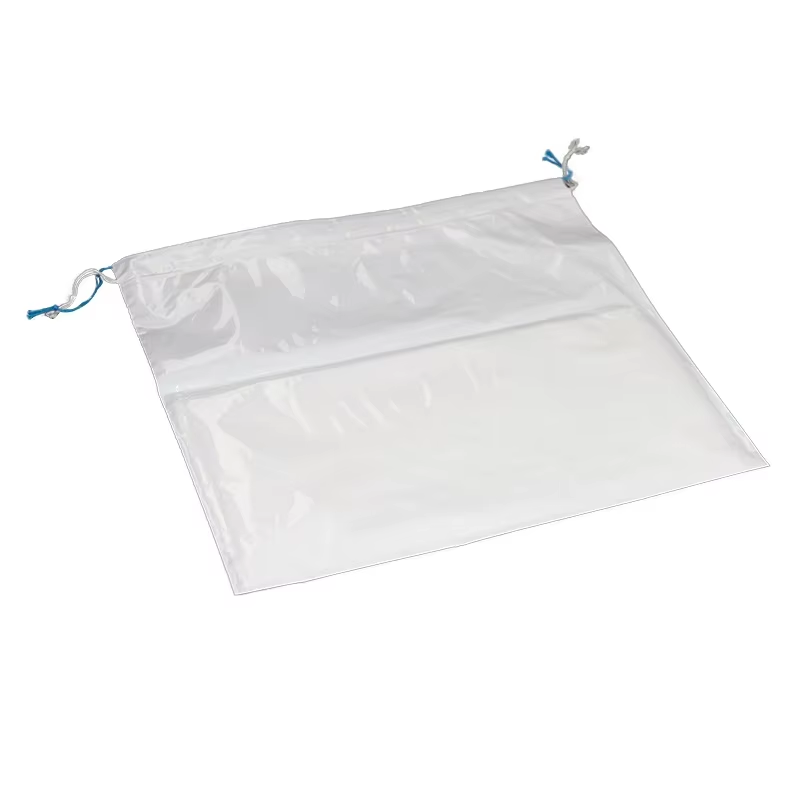
Preventing Skin Breakdown and Pressure Injuries with Evidence-Based Underpad Use
Moisture Wicking and Microclimate Control for Fragile Elderly Skin
The best underpads feature moisture-wicking tops that draw liquid away from sensitive skin areas, helping create the right balance needed for older adults who are prone to skin issues. When skin stays too wet for too long, it starts breaking down faster because the outer layer loses its protective qualities and becomes more susceptible to friction damage. Good quality pads trap fluids deep inside their absorbent layers while keeping surfaces dry, which stops the softening effect known as maceration that often leads to pressure sores. The breathable backing material lets moisture escape as vapor instead of getting trapped, reducing heat build up that makes things worse for people who can't move around much. For individuals with mobility limitations, this two part approach really matters since continuous dampness increases the chance of developing pressure injuries by nearly half according to what wound care professionals have seen in practice settings across the country.
Clinical Data: Reduced Stage IâII Pressure Injury Incidence in Long-Term Care
Using evidence based underpad protocols can really cut down on early stage pressure injuries in long term care settings. According to recent national quality audits, facilities that switch to moisture wicking disposable underpads see about 22 percent fewer Stage I to II pressure injuries than those sticking with old fashioned options. Why does this happen? Well, there are basically three reasons working together here. First, these modern underpads help keep skin dry for longer periods. Second, they create less friction when staff need to move patients around. And third, they actually reduce those dangerous shear forces that damage skin. When combined with other standard PI prevention methods like regular skin checks and special pressure redistribution surfaces, these underpads work even better together. The real win is twofold: patients get better results and facilities save money too. One study found that implementing these comprehensive strategies could save approximately 740 thousand dollars annually at a typical 200 bed facility (Ponemon Institute, 2023).
Supporting Infection Control and Hygiene Through Advanced Underpad Design
Fluid Barrier Integrity and Pathogen Containment in High-Risk Settings
Today's underpads come with special fluid barriers designed to stop leaks and reduce the spread of germs in hospitals and clinics. These pads usually have multiple layers, including waterproof backing sheets and sealed borders, which basically put up a wall between patients and dirty surfaces around them. Facilities that switched to these advanced underpads reported about 34% fewer cases of surface contamination according to some studies from Infection Control Today back in 2023. The effectiveness of these barriers matters a lot when dealing with tough bacteria such as MRSA or C. difficile, particularly among people who spend most of their time in bed since regular bedding just doesn't cut it there. Some important safety aspects worth noting are:
- Liquid-proof membranes that block fluid penetration at pressures exceeding clinical demands
- Bonded edge seals preventing lateral wicking onto mattresses
- Quick-drying top sheets that reduce pathogen transfer opportunities
Odor Management and Antimicrobial Technologies in Modern Disposable Underpads
Odor control systems work by balancing pH levels to tackle ammonia compounds, and they also include antimicrobial additives that stop bacteria from growing where it matters most. The absorbent core contains zinc compounds along with silver ions which mess with how microbes function, cutting down on smelly bacteria by nearly all within half an hour after contact with fluids according to research published in the Journal of Wound Care back in 2022. These products handle bad smells and lower infection chances at the same time, plus they're safe enough even for people with sensitive skin who might react to harsh chemicals.
| Technology | Function | Clinical Impact |
|---|---|---|
| Molecular odor traps | Bind urea byproducts | 80% perceived odor reduction in dementia care |
| Continuous-release biocides | Disrupt biofilm formation | 45% fewer UTIs in immobile patients |
| Breathable antimicrobial films | Allow vapor diffusion | 30% lower dermatitis rates vs. traditional pads |
Reducing Caregiver Burden and Improving Workflow Efficiency
Time Savings and Ergonomic Benefits of High-Performance Underpads in Home and Facility Care
The high performance of modern underpads really helps cut down on the physical toll experienced by caregivers thanks to their ergonomic designs and easy change features. Long term care centers have seen some impressive results too these days. Facilities report cutting down on linen changes by about 40% when using these pads instead of regular ones which frees up roughly half an hour each day for actual patient care time. The quick release adhesive strips and sides that just tear away make replacing them much easier without all that heavy lifting stuff. Nursing staff actually see a drop in back injuries around 25% according to recent studies from last year. These pads can hold up to 2000ml of liquid so there's no worrying about leaks needing complete bedding changes anymore. Plus there are those handy wetness indicators built right in that let staff check status quickly without having to go through the whole inspection routine every time. Home caregivers benefit greatly as well with about half as many laundry loads per week and less work involved in moving patients who can't move themselves. This makes managing incontinence much simpler especially when staffing is tight or resources limited, plus it cuts down on those painful muscle injuries that often plague caregivers over time.
Preserving Dignity, Autonomy, and Emotional Well-Being in Elderly Users
When seniors deal with incontinence issues, it can really take a toll on their emotions, making them feel less confident and causing them to pull away from friends and family. That's where disposable underpads come in handy. These products offer good protection without anyone knowing, which helps cut down on the shame people feel when accidents happen. This kind of support lets older adults keep going with their normal day to day activities instead of relying so much on others for help. Studies have shown time and again that maintaining dignity through proper continence care makes a big difference in how happy residents are in nursing homes and assisted living facilities.
When older adults can steer clear of wardrobe mishaps or unwanted exposure during bathroom accidents, their emotional state tends to improve significantly. Good quality underpads make all the difference here, cutting down on those stressful moments that shake confidence when meeting others. Seniors who find reliable bed pads often start participating more in family gatherings again, since they worry less about sudden leaks ruining their day. Quality protective products create this invisible shield around them mentally, just as important for overall wellness as any medical treatment or physical assistance they receive.
Maintaining personal agency remains central to elder dignity. Underpads enable self-management of minor incontinence episodes, empowering users to retain control over intimate care. This subtle support counters feelings of helplessness common in age-related health decline. Innovations prioritize comfort during extended wearâreinforcing self-respect through uninterrupted rest and mobility.
Selecting the Right Underpad: Absorbency, Material Safety, and Fit for Frail Populations
Matching Absorbency Levels to Real-World Urine Output and Mobility Status
Proper underpad selection requires matching absorbency capacity to individual clinical needs. For low-mobility usersâespecially those with overnight incontinenceâhigh-absorbency options safely manage typical urine volumes (500â800ml). Mobile seniors benefit more from medium-absorbency pads with quick-drying surfaces that reduce slipping hazards. Critical selection factors include:
- Urine output patterns: Heavy nighttime incontinence demands higher capacity than occasional daytime leaks
- Mobility constraints: Chair-bound individuals require larger coverage than ambulatory users
- Body weight distribution: Heavier patients need reinforced absorption zones to prevent pressure-related saturation failures
Standardized absorbency ratings (light/moderate/heavy) help caregivers align protection levels with clinical realitiesâwithout compromising dignity or skin integrity.
Breathable Backsheet Innovations for Sensitive or Allergy-Prone Skin
Modern underpads incorporate microporous backsheets that block fluids while permitting vapor transmissionâreducing skin maceration risk by 37% versus traditional plastic-backed pads (dermatology studies). Three key advancements protect fragile skin:
- Hypoallergenic non-woven topsheets, shown to minimize contact dermatitis incidence
- Oxygen-permeable membranes, supporting healthy epidermal respiration during extended wear
- Latex-free adhesives, securing positioning without chemical irritants
These innovations are especially important for seniors with preexisting dermatological conditions like psoriasis or eczema, where breathability helps prevent flare-ups while effectively containing moisture.
Frequently Asked Questions (FAQ)
What are underpads used for?
Underpads are used to protect beds, chairs, and other surfaces from incontinence-related leaks. They help manage moisture, reduce the risk of skin breakdown, and offer hygienic barriers against pathogens.
How do underpads prevent pressure injuries?
High-quality underpads wick moisture away from the skin and have breathable backings that reduce heat and humidity. This helps prevent the maceration effect that can lead to pressure injuries, especially in individuals with limited mobility.
Are there different absorbency levels for underpads?
Yes, underpads come in light, moderate, and heavy absorbency levels, which can be chosen based on the individual's urine output and mobility status.
What are the benefits of modern underpad designs?
Modern underpad designs have ergonomic features that improve caregiver efficiency, reduce physical strain, and enhance hygiene by containing pathogens and odors effectively.
Can underpads improve emotional well-being for seniors?
Yes, underpads can help seniors maintain dignity and independence by preventing embarrassing accidents, thus positively impacting their emotional well-being and confidence.
Table of Contents
- Preventing Skin Breakdown and Pressure Injuries with Evidence-Based Underpad Use
- Supporting Infection Control and Hygiene Through Advanced Underpad Design
- Reducing Caregiver Burden and Improving Workflow Efficiency
- Preserving Dignity, Autonomy, and Emotional Well-Being in Elderly Users
- Selecting the Right Underpad: Absorbency, Material Safety, and Fit for Frail Populations
- Frequently Asked Questions (FAQ)