 EN
EN


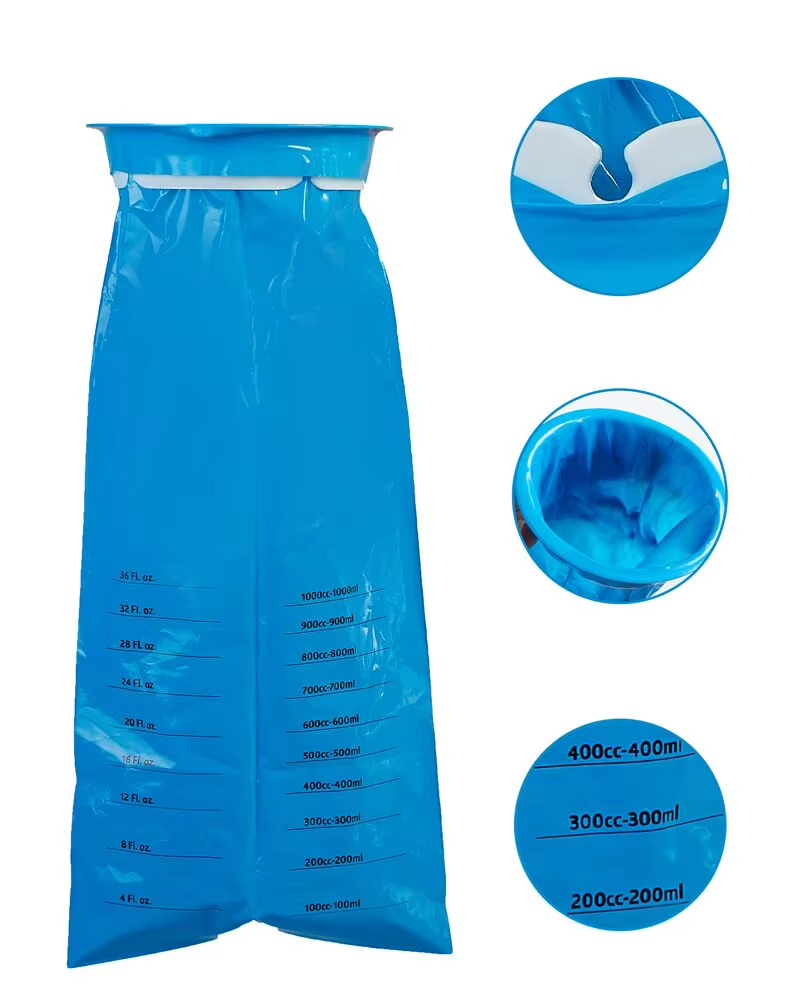
Primary Distribution Channels for Throw Up Bags
Contracted Supply Chains with Transit Operators
Transit companies like airlines, railroads, and ferry lines typically get their throw up bags through big purchase deals with manufacturers who specialize in this stuff. The agreements basically make sure these bags end up in every standard amenity kit and behind every seat on board. Logistics firms handle most of the distribution work, keeping things running smoothly across all those different routes and locations. Buying in large quantities cuts down what each bag costs by around 40 percent compared to buying them individually from stores. And there are these smart inventory systems now that automatically order more stock when levels drop below 15%. This helps avoid situations where someone needs a bag but none are available during busy travel times.
On-Site Vending and Sanitation Kiosks
The self service kiosks we find throughout busy transportation centers offer free or paid over the counter sickness bags along with hand sanitizer and face masks. These machines tend to pop up right where people need them most: near airport gates, exit points, and around luggage pickup spots. Interestingly enough, they get used about 23 percent more often close to food courts and on those flights known for rough air. The newer versions with no touch interfaces and motion sensors help keep germs at bay while staying pretty reliable too, running smoothly about 98 out of 100 times even when there's a rush during holidays or peak travel seasons.
Strategic Placement: Seating, Restrooms, and Emergency Kits
Accessibility drives placement decisions across three key zones:
| Location | Deployment Rationale |
|---|---|
| Armrest holders | Immediate access during motion-sickness episodes |
| Restroom dispensers | Discreet, post-incident availability |
| Emergency stations | Compliance with FAA and EASA safety mandates |
| Real-time usage data confirms 57% of bags are used within 50 feet of seating zones, validating proximity-based distribution as a core operational principle. |
Demand Drivers Influencing Throw Up Bag Deployment
Airline Protocols: Pre-Boarding and In-Flight Accessibility
Air travel sees regular surges in demand for certain things, particularly when planes are boarding, taking off, landing, or going through turbulence. Around a quarter to a third of passengers get motion sick during these times. Airlines handle this by putting upchuck bags in seat back pockets, keeping some in bathroom dispensers, and having flight attendants carry extra on their carts. The multiple ways to get a bag help keep the cabin cleaner and let staff respond faster when someone needs one, all while following company rules and procedures.
Railway and Bus Hub Trends: Seasonality and Motion-Sickness Correlation
The need for ground transit fluctuates quite a bit depending on the season. Summer vacation routes tend to see about 40 percent more demand for those little plastic bags compared to slower times of year. Motion sickness problems get worse along twisty mountain roads, long stretches of coastal highway, and city streets where traffic constantly stops and starts again. School buses and regular commuter lines suffer most from this issue. Putting out supplies at ticket offices and setting aside certain seats ahead of time can actually prevent some of these uncomfortable situations from getting worse during the ride itself.
Operational Efficiency: Restocking, Volume Tracking, and Real-World Data
Restocking Frequency vs. Passenger Volume at Major Hubs (LAX, Heathrow)
Airports such as Los Angeles International and London's Heathrow have started tracking passenger numbers in real time so they know when to restock hygiene products. When airport managers match this foot traffic information with sensors that tell them when supplies are running low, especially near busy areas like gate entrances and washrooms, they save between 15% and 30% on unnecessary inventory costs. Plus, there are fewer times when essential items run out completely, which matters most at spots where people get motion sickness the most often. The results speak for themselves at Heathrow where central monitoring cut down on last minute restocking runs by almost half during 2023. Getting supplies right when needed makes sense for keeping things clean and cutting expenses at the same time.
Regulatory and Hygiene Standards for Throw Up Bag Distribution
Following regulations isn't optional when it comes to transit areas where people move constantly. Both OSHA and CDC have strict rules about containers needing to be completely leak proof, with seals that won't give way under pressure, plus obvious labels showing biohazard risks so nobody gets exposed accidentally. The materials used need to stand up to sharp objects and keep everything contained inside them at all times, which matches what's specified in ISO 16603 standards for quality materials. Good hygiene involves regular stock checks, separating different types of waste using colors as markers, and making sure everyone working there knows exactly how to handle and get rid of contaminated items properly. All these measures work together to cut down on dangerous situations and protect the health of passengers and workers alike in places where crowds are always flowing through.
FAQ
What are the primary distribution channels for throw up bags?
Throw up bags are primarily distributed through contracted supply chains with transit operators, on-site vending machines and sanitation kiosks, and strategic placements like seating zones, restrooms, and emergency kits.
Why are motion-sickness bags used more frequently near food courts?
Motion-sickness bags tend to be used more frequently near food courts due to the proximity to areas where people consume food and because such locations are often high-traffic areas, leading to more incidences of motion sickness.
How do airports ensure they have enough throw up bags?
Airports use real-time passenger tracking and supply sensors to optimize restocking times and quantities, ensuring that essential items like throw up bags never run out completely.
What materials are used for making throw up bags to meet regulations?
Throw up bags must be made from leak-proof, pressure-resistant materials and must adhere to standards such as ISO 16603, ensuring they contain any waste without failure.