 EN
EN


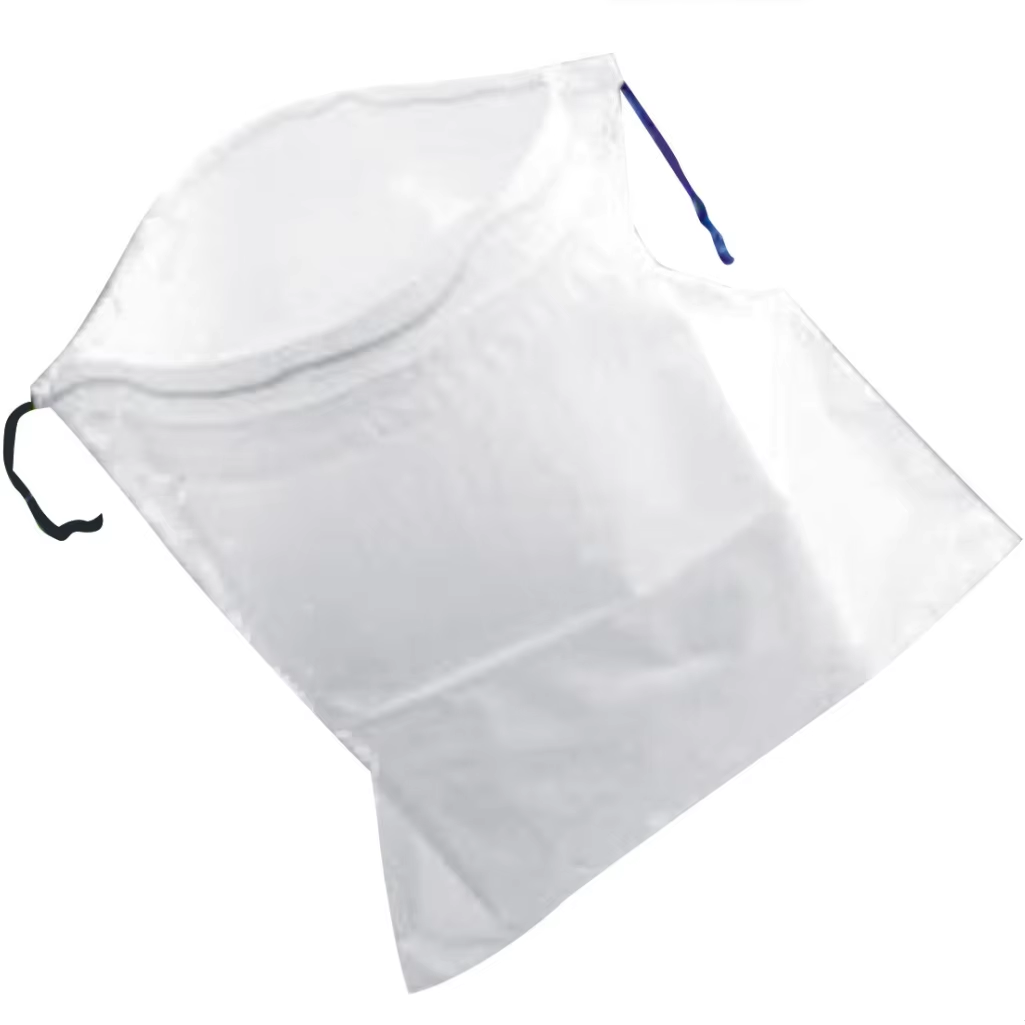
The Evolution of Emesis Bag Design: From Function to User-Centered Innovation
Key Challenges in Traditional Emesis Bag Handling and Disposal
The earliest versions of emesis bags focused mostly on getting the job done rather than making life easier for those using them, which created real problems for EMS crews in the field. Many older models had terrible grip surfaces, especially when paramedics needed to handle them while wearing gloves, and the disposal seals were often placed where they just didn't make sense, raising the risk of cross contamination all over again. A look at data from clinical waste audits back in 2021 showed something pretty alarming: more than sixty percent of hospitals and clinics faced serious issues with their waste management systems because these old school bags simply weren't designed with common sense closures.
How Modern Ergonomics Informs Emesis Bag Packaging Layouts
The new packaging design includes textured sides and funnel shapes that actually fit how hands naturally move when grabbing things. Tests done by people who train emergency responders show these changes cut down on spills during stressful situations by around a third. The package has angled openings plus those expandable sections that look like accordions, so paramedics can operate everything with just one hand while keeping things sterile. This matters a lot because EMTs often need to juggle several tasks at once during emergencies.
Data Insight: 78% of EMS Providers Report Difficulty with Standard Emesis Bag Access (National EMS Survey, 2023)
Recent surveys highlight systemic usability gaps:
- 63% of respondents noted delayed access times (>5 seconds) with conventional tear-off designs
- 41% encountered seal failures during air ambulance turbulence
Field trials of next-gen models with tactile orientation indicators show a 92% improvement in first-attempt access speed, validating the shift toward human-centered design principles.
Innovations in Leak-Proof Seals and Odor Control for Enhanced Emesis Bag Performance
Leak-Proof Seals and Odor Control Features as Critical Performance Indicators
Modern emesis bag designs prioritize dual functionality: containing fluids effectively while neutralizing odors to improve patient comfort and reduce cross-contamination risks. Rigorous testing now evaluates burst resistance (up to 1.2 psi) and 30-minute odor containment, with failure in either category disqualifying 22% of prototypes in recent trials.
Advanced Polymer Linings Prevent Spillage in High-Motion Environments
Multi-layer thermoplastic liners withstand turbulence in air ambulances and sudden movements during ground transport. A 2023 simulation study showed these linings reduced leakage incidents by 67% compared to single-ply designs during high-G maneuvers.
Activated Carbon Filters for Instant Odor Neutralization
Integrated carbon filters with 0.5–1.2 µm pore sizes capture volatile organic compounds (VOCs) within seconds of exposure. Clinical surveys indicate 84% of nurses prefer these over traditional bags, citing reduced post-use nausea among patients and staff.
Case Study: Air Ambulance Implementation Reduces Contamination Incidents by 40%
After adopting polymer-lined emesis bags with carbon filters, a European air ambulance service reported 40% fewer cabin decontamination events and 31% faster patient transfers over six months. Crews highlighted one-handed sealing mechanisms as critical during time-sensitive emergencies.
Optimizing Emesis Bag Accessibility for Emergency Medical Services (EMS)
EMS Needs for Rapid Deployment and One-Hand Open Solutions
Emergency responders require emesis bags that deploy instantly in high-pressure scenarios. One-handed operation is critical when stabilizing patients during transport or administering concurrent treatments. Modern designs incorporate textured grips and pre-folded openings that align with glove-friendly operation—a necessity in 63% of EMS calls involving biohazard risks (Prehospital Care Journal, 2023).
Tear-Notch Technology and Field Test Results: 92% Faster Deployment Time
Reinforced tear-notches reduce opening effort by 55% compared to traditional seals, according to recent EMS field trials. This innovation cuts median deployment time to 1.2 seconds—critical for sudden-onset nausea cases. During ambulance safety testing, 92% of practitioners achieved faster access without compromising bag integrity (Field Efficiency Report, 2024).
Balancing Sterility Assurance with Easy-Open Requirements
The latest generation of emesis bags comes with a clever two-part design. The outer layer has a peel tab that keeps everything sterile until needed, and inside there's a folding mechanism that lets medical staff get to the bag without risking contamination. Tests have shown this setup cuts down on failures compared to older models. Single layer seals failed about 34% of the time when tested under simulated movement conditions according to a study from Emergency Medical Design Review back in 2023. What matters most is that these new bags actually meet all the standards set by the CDC for handling vomit before patients reach the hospital, and they don't slow down emergency responders who need quick access during critical moments.
Sustainable Materials in Next-Generation Emesis Bag Production
Eco-Friendly Materials and Sustainable Design Transforming Medical Waste
Hospitals and clinics are increasingly looking for greener alternatives when it comes to making emesis bags, which has sparked some interesting developments in the field. New plant based materials and compostables are showing promise, breaking down about 60 percent quicker than regular plastic waste in those big industrial composting plants according to some research from the EPA back in 2022. Many top companies have started using recycled HDPE for the outer parts of these bags, cutting down on new plastic consumption by around 35%. What makes this really work is that they still hold up against leaks and tears just fine. By combining these two approaches, healthcare providers get products that perform well during treatment but also leave behind a smaller environmental footprint after disposal.
Biodegradable Films vs. Recyclable Plastics: Trade-offs in Durability and Decomposition
| Material | Decomposition Time | Durability (Load Capacity) | Ideal Use Case |
|---|---|---|---|
| Biodegradable PLA | 90–180 days | 4.2 kg burst strength | Low-motion home healthcare |
| Recycled HDPE | 450+ years | 8.7 kg burst strength | Emergency vehicle protocols |
While biodegradable films minimize landfill mass, they require specific microbial conditions for optimal breakdown—a challenge for 68% of municipal waste systems. Recyclable options dominate acute care settings where durability outweighs decomposition priorities.
Life Cycle Analysis of Plant-Based Emesis Bag Packaging (EPA Data, 2022)
According to a 2022 report from the Environmental Protection Agency, plant based emesis bags cut down on total lifecycle emissions by around 41 percent when compared to those made from petroleum products. But there's another side to this story. The same study found that making these biodegradable options from corn starch actually raises water consumption in agriculture by nearly 20%. This points to why hospitals must carefully consider what materials work best depending on their location. Many medical facilities located in regions facing serious water shortages have started mixing algae derived materials with recycled components instead. This approach cuts greenhouse gas emissions by approximately one third while avoiding further stress on already limited local water resources.
Specialized Emesis Bag Applications in Pediatric, Neonatal, and Home Healthcare Settings
Pediatric and Neonatal Care: Smaller, Safer, and Color-Coded Emesis Bag Systems
Kids and newborns need specially designed emesis bags that fit both their body size and emotional state. The latest models have openings about a third smaller than standard ones, which works better for little patients. They also use materials without latex to avoid triggering allergies. Hospitals now use color coding too—blue for kids and pink for baby units—so staff can grab the right bag fast when time matters most. According to a recent study at several hospitals in 2023, these improved designs actually cut down on anxiety levels among young patients experiencing nausea by around 18 percent compared to older versions.
Home Healthcare and Long-Term Care Needs for Discreet, Simple Handling
In home care situations, good emesis bags need to work well without drawing attention. Many newer models come with special coatings that stop them from sticking to sheets and blankets, plus quiet closures so they won't disturb anyone during the night. A recent poll showed that around two thirds of people taking care of others at home prefer having disposal areas built right into the bag itself. These integrated compartments make cleaning up much easier, especially important when space is limited and keeping things clean matters a lot.
Caregiver Feedback Drives Visual Cues and Larger Capacity, Non-Slip Designs
The design of emesis bags has gotten a major overhaul thanks to feedback from over 1,200 healthcare professionals who actually use them daily. The new models feature those bright fill lines that are way easier to see than old ones—we're talking about a 94% better visibility according to tests. And don't forget those special grip areas made of silicone material which make it much easier to hold onto these bags even when wearing gloves. According to some real world testing out there, these improved designs cut down on dropped bags by around one third in situations where nurses need to move around a lot. This matters a lot for both hospital settings and at home where patients receive care.
FAQ
Q: What are the main improvements in modern emesis bag designs?
A: Modern emesis bags feature textured sides for better grip, leak-proof seals, activated carbon filters for odor neutralization, and one-handed operation capabilities, addressing the challenges faced by emergency medical services.
Q: How do these new emesis bags benefit the environment?
A: New emesis bags are made from plant-based materials and recycled plastics, reducing plastic waste and lifecycle emissions, although some biodegradable materials increase water consumption during production.
Q: Are there special emesis bag designs for pediatric and home healthcare?
A: Yes, there are smaller, latex-free, color-coded bags for pediatric and neonatal care, as well as bags with discreet features and integrated disposal areas for home healthcare settings.
Table of Contents
- The Evolution of Emesis Bag Design: From Function to User-Centered Innovation
- Innovations in Leak-Proof Seals and Odor Control for Enhanced Emesis Bag Performance
- Optimizing Emesis Bag Accessibility for Emergency Medical Services (EMS)
- Sustainable Materials in Next-Generation Emesis Bag Production
- Specialized Emesis Bag Applications in Pediatric, Neonatal, and Home Healthcare Settings